

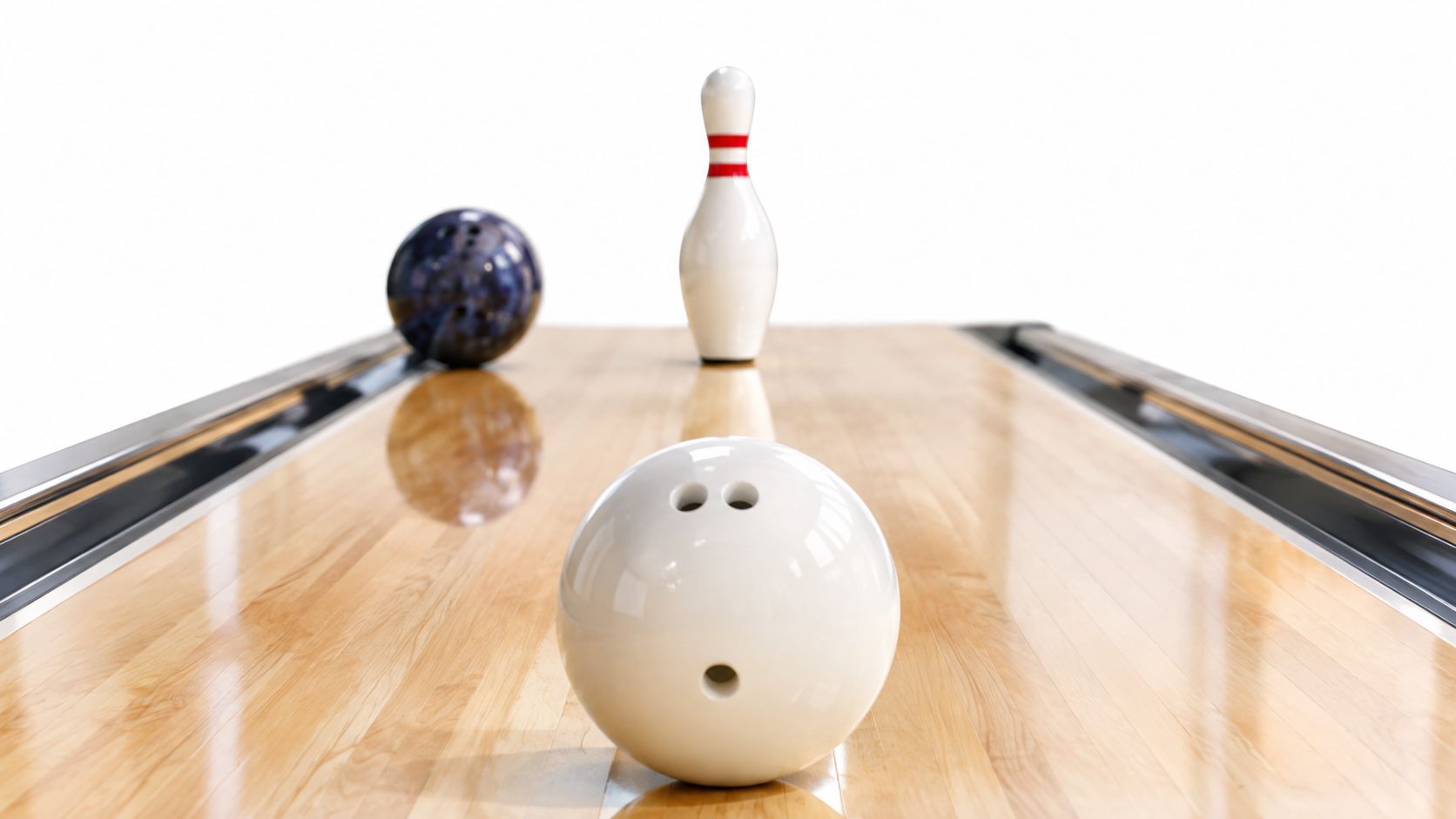
Modern spare bowling balls are overwhelmingly polyester or plastic because they absorb little to no lane oil and produce the straightest, most repeatable path for single-pin and corner-pin conversions. Their deliberately low-reactivity designs can show differential values as small as 0.006 and 0.019, with high RG values around 2.680 to 2.715.
You throw your strike ball, watch it read the lane a little too hard, and leave the 10-pin standing. The next frame brings a 7-pin, and you miss that one too. After the second corner-pin miss, the natural reaction is to blame your target, your release, or the lane. Sometimes the underlying problem is simpler: you're asking a strike ball to perform a spare ball's job.
A spare bowling ball isn't automatically the right purchase for every bowler. It is a tactical tool that earns its place when the hook and friction from your primary ball create more uncertainty than they solve. The right choice depends on your release, the leave you miss, your lane environment, and whether a second ball will fix a repeatable equipment problem or merely disguise a technique problem.
Table of Contents
- When to Switch Balls Instead of Chasing Your Strike Shot
- What a Spare Bowling Ball Actually Is and How It Works
- Plastic Versus Urethane Spare Options on the Lanes
- Core Design, Drilling, and Weight Matching Rules
- Three Situations Where a Spare Ball Wins Every Time
- The Case Against Buying a Spare Ball Right Now
- How to Choose the Right Spare Ball for Your Level
When to Switch Balls Instead of Chasing Your Strike Shot
The 10-pin is still standing after your first shot. You move your feet, flatten your wrist, slow your hand, and send the same reactive-resin ball toward the corner. It looks good off your hand, but the ball catches friction and turns away from the pin. You leave the same spare or miss on the opposite side.
That sequence is common because bowlers often treat a spare as a weaker version of a strike shot. It isn't. A strike ball is built to create traction, read the lane, change direction, and enter the pocket with energy. A corner-pin attempt usually rewards the opposite behavior. You want a line that doesn't add an unexpected hook when the ball reaches dry boards.
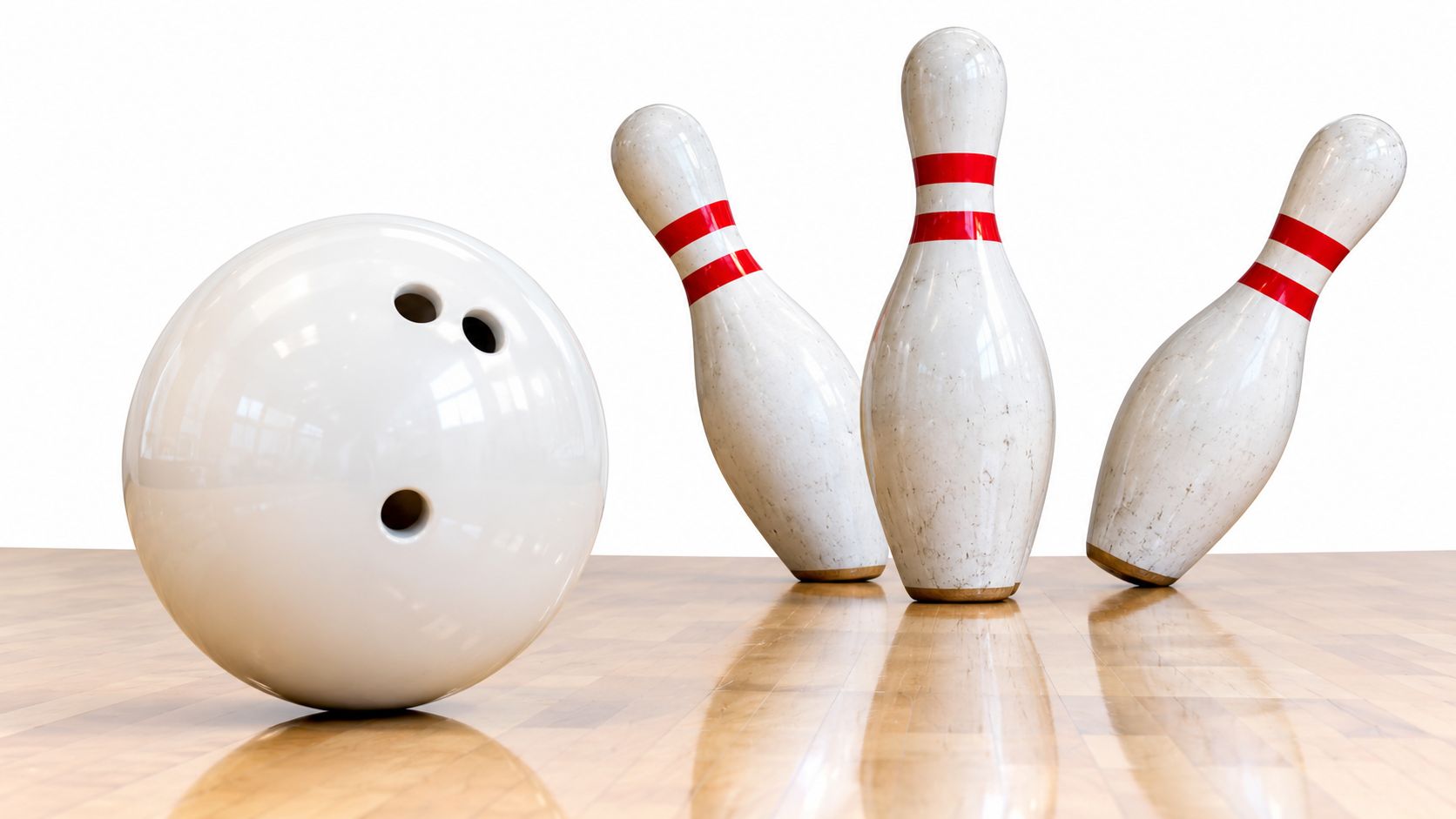
The tactical difference
With a dedicated plastic ball, you can make your spare shot about alignment and execution rather than about managing a reactive coverstock. The ball's job is to travel toward the pin with minimal curve. Your job is to choose the board, repeat your approach, and make the release.
A flattened strike ball can work. Many bowlers successfully reduce hook by rotating their hand behind the ball, increasing speed, or changing their launch angle. But that method asks you to alter the release that produces your normal strike shot. Under league pressure, the adjustment may feel unfamiliar, especially when you have only a few seconds to reset after a difficult first roll.
Practical rule: If you regularly miss corner pins because your strike ball continues to hook through the spare line, test a plastic ball before changing your entire release.
The purchase makes sense when the miss pattern is repeatable. If your ball hooks past the 10-pin even when your target and footwork are sound, a dedicated spare ball can remove a variable. If you miss because your feet drift, your eyes move, or your release direction changes, equipment won't replace practice.
Start by tracking the leave, not your frustration. A bowler who misses both corners with a low-hook strike ball may benefit from plastic. A bowler who misses one spare because of poor alignment may need a targeting routine first. The second ball is worthwhile when it solves a specific problem often enough to justify the drilling, storage, and purchase.
What a Spare Bowling Ball Actually Is and How It Works
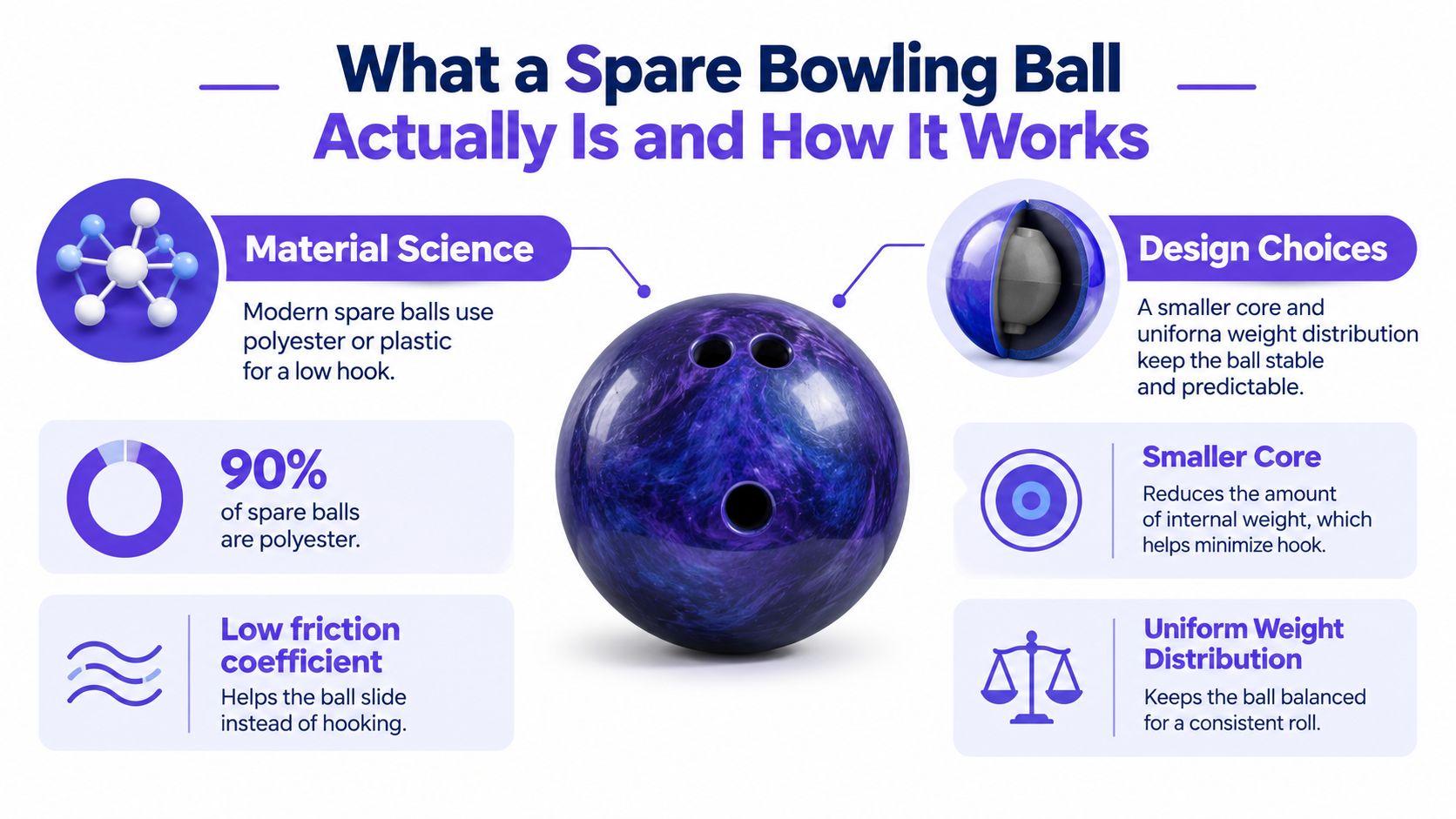
A modern spare bowling ball is usually a polyester or plastic ball with a coverstock that absorbs little to no lane oil. That low absorption matters because oil and friction influence how strongly a ball changes direction. Less interaction gives the ball a straighter, more predictable path, which is why plastic became the standard spare-ball material from the 1990s onward, as described in this bowling ball material guide.
Reactive resin is designed to create shape. Its surface interacts with the lane, stores and releases energy, and produces the motion bowlers want for pocket shots. That reaction is useful when you need entry angle and continuation. It becomes a liability when a single pin sits outside your normal strike line and the ball's response to friction can move it away from the target.
Why the numbers matter
The core usually supports the same goal as the coverstock. A low differential means the ball has less tendency to flare around the lane. Less flare limits how much fresh coverstock is exposed to the lane during rotation, reducing the potential for a late direction change.
High RG values are another part of the stability profile. Think of a heavy, stable bike wheel compared with a small wheel that responds quickly to every movement. A higher RG design generally resists changing its rotation as aggressively, while a low-differential spare design keeps the motion calmer.
A bowling-ball database lists polyester spare models with differential values such as 0.006 and 0.019, alongside high RG values around 2.680 to 2.715, according to its polyester coverstock database. Those specifications don't guarantee that every bowler will throw a perfect spare. They explain why the ball is less likely to create a surprise move than a high-performance strike ball.
What plastic does not do
Plastic doesn't create the same pocket shape as reactive resin, and that's the point. It won't rescue a poor launch angle with a strong backend move. It also won't compensate for a ball that is aimed at the wrong board. A plastic spare ball gives you a narrower reaction window, so your alignment errors become easier to identify.
For a broader overview of how bowling balls differ by coverstock and construction, this guide to different types of bowling balls is a useful reference. The essential mental model is simple: use the strike ball to create shape, and use plastic when shape is the variable you want to remove.
Plastic Versus Urethane Spare Options on the Lanes
Plastic remains the benchmark for a spare ball because it offers the least friction and the most direct response. Hard urethane sits between plastic and reactive resin. It creates more traction than plastic, rolls earlier, and usually produces a smoother, milder backend than a reactive coverstock.
That difference can help a bowler who struggles to keep plastic stable through a particular line or wants one ball to serve both spare and dry-lane duties. It can also create a new problem. If your main reason for buying a spare ball is to eliminate hook on corner pins, urethane adds back some of the motion you're trying to remove.
| Coverstock | Traction Level | Typical Hook Potential | Best Lane Condition | Durability Profile | Cost Range |
|---|---|---|---|---|---|
| Polyester plastic | Lowest | Minimal | Most conditions for straight spare lines | Resists wear around finger holes well | Lower |
| Hard urethane | Moderate | Mild and smooth | Situations where plastic skids too long or extra traction helps | Durable around finger holes and suitable for repeated use | Moderate |
Choose plastic for control
Plastic is the straightforward choice for 7-pin and 10-pin attempts, particularly when your release produces noticeable revs. Higher rev rates make friction more influential, so a low-friction coverstock can keep the ball from responding too sharply near the pin deck. A coreless plastic ball is often the safest starting point because it keeps both the cover and internal design focused on a stable line.
Plastic is also the economical option when you want a ball dedicated to one task. It isn't pretending to be a second strike ball. You can keep the surface clean, use a familiar grip, and expect the same basic motion from lane to lane, subject to oil and surface differences.
Consider urethane for a specific reason
Hard urethane makes sense when you want a little more traction than plastic provides. It can roll earlier and smoother, and its durability around finger holes can be useful for bowlers who handle equipment frequently. Some players also use it as a dry-lane strike option, which gives the ball more than one role.
That versatility comes with a trade-off. Urethane is less universally straight than plastic, so it may be a poor fit if your main miss is a hook past a corner pin. The bowling ball coverstock guide can help you compare the broader reaction categories, but your pro shop should still watch your release before recommending urethane as a spare solution.
Core Design, Drilling, and Weight Matching Rules
A spare ball should feel familiar before it ever touches the lane. Matching the weight and grip span to your strike ball helps preserve the timing of your approach, the height of your swing, and the pressure you apply through the fingers. A ball that is technically straighter but feels noticeably different can cause you to change your release at the exact moment you need repeatability.
Ask your driller to compare weight, span, finger pitches, thumb fit, and overall grip feel. Matching doesn't mean every measurement must be identical in every case. It means the second ball should support the same physical motion unless you have a clear reason to change it.
Read the specification sheet sensibly
Don't choose a spare ball because a specification sounds advanced. A low differential and high RG are useful because they support low flare and a straighter motion, not because the numbers make the ball automatically accurate. The coverstock still controls the first major part of the reaction, and your launch direction still controls where the ball starts.
A simple core or coreless plastic design is often enough for a dedicated spare ball. More complex designs may offer no practical benefit if the ball's job is only to travel straight at a corner pin. The best specification is the one that produces a repeatable reaction for your release.
Match first, deviate deliberately
Matching weight is especially important if your strike ball is comfortable and your spare shots use the same tempo. A different weight can alter your balance and speed control. A different span or pitch can change how quickly you exit the thumb and how much rotation you put on the ball.
There are reasons to deviate. A bowler with wrist pain may need a different fit. Someone who intentionally uses a flatter hand may prefer a drilling adjustment that supports that release. Discuss those changes with a qualified driller rather than copying a layout from another bowler. The principles in this bowling ball drilling layouts guide can help you arrive at better questions for the pro shop.
A spare ball should simplify your decision at the foul line, not create a second set of fit problems.
Three Situations Where a Spare Ball Wins Every Time
The strongest case for plastic appears when your strike ball produces the wrong kind of information. You aren't trying to learn how much it will hook. You already know it can hook. You need a ball that makes the intended line obvious.
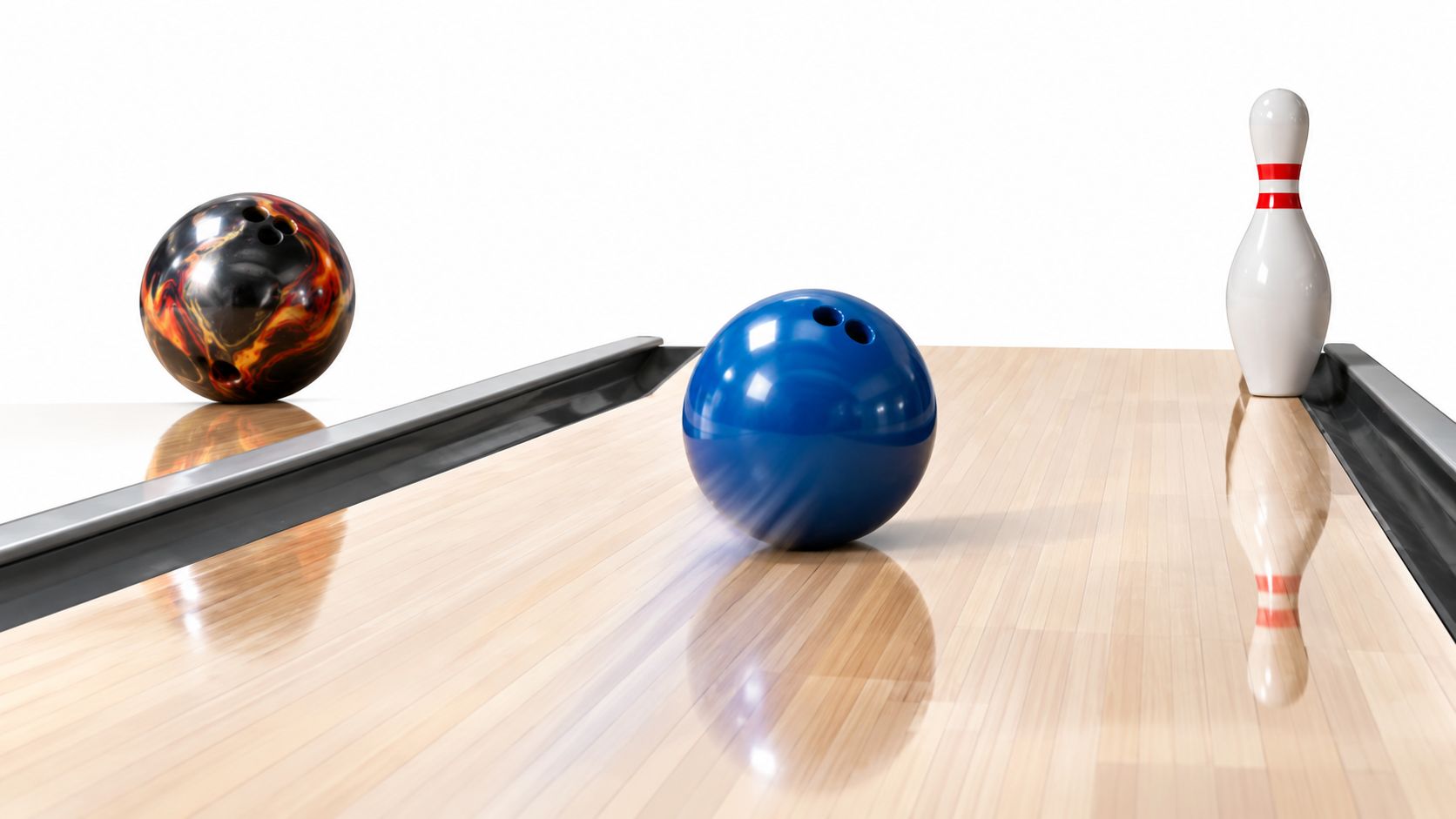
Corner pins on a lane with meaningful friction
You leave the 10-pin or 7-pin after a shot that has already used part of the lane. Your reactive ball travels across a changing surface and responds differently near the outside boards than it did in practice. A plastic ball gives you a much cleaner test. If you miss, the error is more likely to come from your alignment or execution instead of an unexpected coverstock response.
A dedicated ball can outperform a flattened strike ball consistently. You don't need to manufacture a straight release with your wrist. You can keep your spare motion compact and focus on the pin.
High-rev releases that keep finding the dry
A high-rev bowler can flatten the wrist and increase speed, but those adjustments may not fully neutralize the ball's response. If the strike ball still reads early or makes a late move toward the gutter, plastic reduces the amount of lane friction available to create that motion.
The benefit isn't that plastic makes the shot effortless. It is that the ball removes a variable that your rev rate keeps amplifying. That matters most when your spare miss repeats on the same side of the pin.
League bowlers who need a familiar second motion
Some league bowlers don't need a full equipment collection. They need one ball that can be picked up without debate after a pocket miss. A matching-weight plastic ball with a familiar grip gives them a consistent physical reference, especially when the lane condition changes during the session.
Use this checklist during practice:
- Repeatable corner miss: Your strike ball hooks away from a corner pin even after a sound alignment.
- Release conflict: Flattening your wrist changes your timing or creates a second release you can't repeat.
- Clear equipment role: You can describe the plastic ball's job in one sentence, such as “straight at the 10-pin.”
- Practice confirmation: The ball produces a predictable line from your normal spare setup.
If most of those points apply, the second ball has a tactical purpose. If none apply, spend the session improving your target, feet, or release instead.
Use the video below as a visual reference while comparing your own spare setup and release.
The Case Against Buying a Spare Ball Right Now
A plastic spare ball can't fix a drifting approach. It can't make a poor target correct, and it won't teach your hand to stay behind the ball. If your misses move from one side of the pin to the other, the problem may be alignment or release control rather than ball reaction.
Flattening a low-hook strike ball is perfectly reasonable for a bowler who can repeat the motion. It keeps your equipment costs down and forces you to build a versatile release. The trade-off is that the technique requires more discipline, and the strike ball may still react to friction when you want a direct path.
Put the purchase beside other improvements
A second ball competes with other uses of your bowling budget. Coaching, lane time, fit adjustments, and basic maintenance may address the cause of your misses more directly. If your spare ball has never been fitted correctly, a professional grip check can be more valuable than replacing the ball.
Before you buy, run a simple test. Throw your current ball at the corner pin with your normal release, then repeat with a flattened hand and a more direct launch. If the ball still creates an inconsistent move while your alignment is sound, plastic becomes easier to justify. If the line is reliable but you miss the pin, practice is the better investment.
What the 2026 equipment trend changes
The 2026 bowling equipment conversation includes smart balls with sensors, IoT scoring feedback, and more personalized analytics, while market coverage identifies sustainability, personalization, and technology integration as major themes in bowling equipment innovation reporting. These developments don't make a plastic spare ball irrelevant. They may help some bowlers identify whether their problem is equipment motion, targeting, or execution before they purchase another ball.
Data is only useful when it changes a decision. A sensor or scoring system can show a pattern, but you still need a repeatable practice shot and a coach or pro shop operator who can interpret it. For a beginner with limited lane access, direct feedback and a stable release may deserve priority over a second ball.
Buy the spare ball when it removes a known source of error. Don't buy it because every other bowler has one.
How to Choose the Right Spare Ball for Your Level
Your level should determine how much complexity you add. Most bowlers don't need multiple spare coverstocks or a specialized layout. They need a ball that fits, a line they understand, and enough practice to trust the shot.
| Bowler Level | Recommended Coverstock | Weight Strategy | Drilling Approach | Typical Upgrade Path |
|---|---|---|---|---|
| Beginner | Polyester plastic | Match the comfortable strike-ball weight when practical | Simple fit with familiar span and grip | Improve targeting and spare routines before changing coverstocks |
| League bowler | Plastic for maximum straightness, hard urethane only for a defined traction need | Keep weight and grip consistent with the primary ball | Match key fit measurements, then adjust only for a clear release need | Add or test urethane after identifying a lane-specific problem |
| Tournament bowler | Plastic as the primary spare option, with other materials only for specialized use | Match equipment closely across the set | Use measured fit and deliberate layout choices | Build spare options around leave patterns and competition conditions |
Beginners need fewer variables
Start with polyester plastic and a grip that feels like your primary ball. A simple, matched setup helps you learn whether the ball is traveling where you intend. Practice straight shots at both corner pins, then work through common single-pin and multi-pin leaves without changing your release every time.
Don't chase a fancy core. A stable plastic ball with a comfortable fit will teach you more than a technically complex ball that encourages you to manipulate the hand.
League bowlers should buy for a miss pattern
League play exposes equipment problems because you repeat the same shots across changing lane conditions. If your corner-pin misses are caused by unwanted hook, plastic is the logical first test. If plastic skids too long for a particular spare line and you also want a ball for dry-lane use, discuss hard urethane with your pro shop.
Bring your current ball when you get the spare ball drilled. The operator can compare fit, watch your release, and make sure the new ball doesn't force a different approach. Test it on real lanes before league night, because a ball that feels correct in your hand still needs to produce the line you expect.
Tournament bowlers can justify precision
Competitive bowlers may benefit from more deliberate layouts, exact fit matching, and separate plans for unusual spare configurations. That doesn't mean adding equipment without a purpose. Record which leaves create the most trouble, then build the smallest setup that addresses those shots.
Bowling Gear Reviews publishes equipment comparisons and how-to guidance covering bowling balls, coverstocks, drilling, fit, and lane suitability. Visit Bowling Gear Reviews to compare spare-ball options, review practical drilling information, and narrow your purchase to the equipment role you need.
Before your next league session, bring your strike ball to the pro shop and ask for a spare-ball test based on your most common corner-pin miss. Compare a properly fitted plastic ball with your flattened release, then choose the option that gives you the clearer line and the more repeatable motion.
