

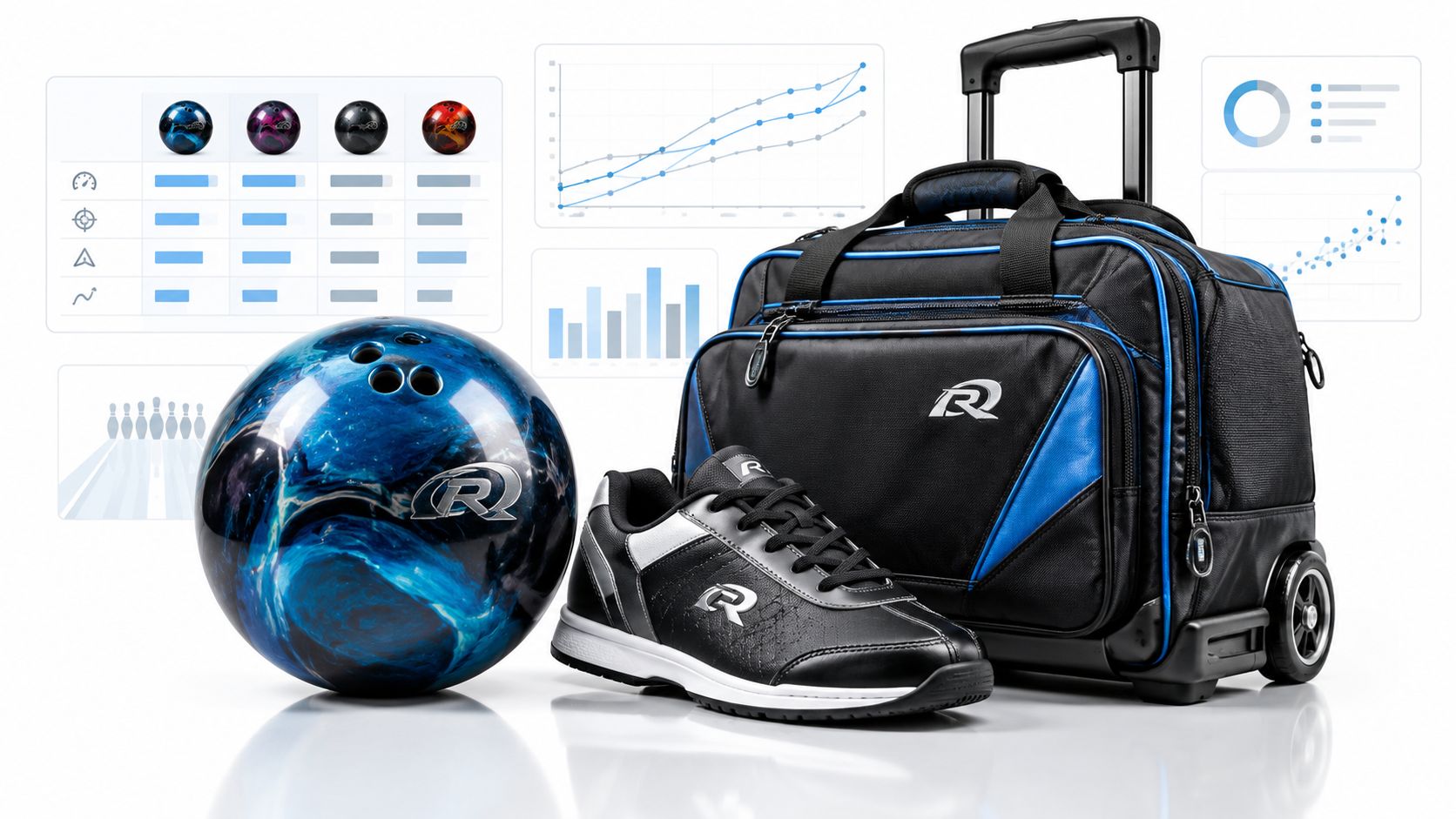
Most bowling advice still tells you to buy the ball that hooks the most. That's the wrong first question. A ball that looks violent on game one can bleed oil too fast, force too much move, and leave you guessing by game three, which is why real model comparisons have to track what the lane does back to you, not just what the ball looks like off the hand.
| What you're comparing | Fresh lane question | Late-block question | What usually gets missed |
|---|---|---|---|
| Bowling ball motion | Does it read early, smooth out, or jump at the end? | Does it stay usable after transition? | Oil removal and carrydown effects |
| Surface and coverstock | Does it match the pattern volume? | Does it keep shape as the front part of the lane goes away? | How fast the lane changes |
| Shoes | Does the slide match your tempo and balance? | Does it stay consistent through a full session? | Sole wear and traction changes |
| Bags | Does it protect gear and move easily? | Does it still feel practical when you're carrying multiple pieces? | Layout and maneuverability |
Table of Contents
- Why Static Hook Ratings Fail Modern Bowlers
- The Core Variables of Our Testing Methodology
- Analyzing Ball Motion and Oil Absorption Data
- Evaluating Footwear and Bags for Long-Term Value
- Matching Equipment Profiles to Real-World Use Cases
- Building Your Own Comparison Framework
- Strategic Recommendations for Arsenal Building
Why Static Hook Ratings Fail Modern Bowlers
Static hook numbers are a snapshot, and bowling is not a snapshot sport. League and tournament play happen over time, on lanes that change every shot, so a ball's opening reaction matters less than how it behaves after it has helped strip oil from the front of the lane and altered the shape of the pattern.
The ball you love on shot one can become the ball you can't trust later
USBC's five-person team simulation showed a simple truth, modern reactive balls hooked the most and forced the most movement, while modern urethane hooked the least. On the heavier-oil condition, the high-differential reactive balls pushed bowlers an average of 9.4 boards left with their feet and 6.1 boards left with their eyes over three games, compared with 7.1 feet-left and 3.8 eyes-left on the lower-oil condition, which is a clear sign that transition changes your line faster than most buyer guides admit. That study is a better reality check than any brochure-style hook chart, because it shows the adjustment burden building across a block, not just the first ball off your hand. USBC coverstock testing
A ball can win the front end and still lose the set. If it removes oil aggressively, it can start reading too early, lose energy, and force you farther left just to keep it in play. The question isn't “Which ball hooks the most?”, it's “Which ball stays in its scoring window longest while the pattern changes?”
Practical rule: if two balls look similar on a fresh pair of lanes, the better one is usually the one that keeps blending the breakpoint after the heads start to go.
Why lane transition is the real comparison metric
The strongest comparison charts don't just rank motion from weak to strong. They ask how that motion changes by oil volume, by frame, and by game stage. That matters because more hook can mean more lane transition, and more transition is not always what you want if you're trying to hold an angle in the third game of a league block.
That's why the useful comparison is dynamic. A ball that matches the first game might become too clean, too early, or too sideways later, while a lower-flaring option can stay predictable when the pair starts to carrydown. Good model comparisons tell you which piece buys you time, and which one only looks exciting in an empty lane.
The Core Variables of Our Testing Methodology

The first thing to lock down is surface, because surface can disguise or exaggerate a ball's true shape. If one ball is box finish and another has been touched with lane shine or hand prep, the comparison stops being about the model and turns into a surface race.
What gets controlled before the ball ever hits the lane
I compare balls by holding as many variables steady as possible, then changing one thing at a time. That means the same lanes, the same release intent, and the same notes on ball speed, launch window, and target shape. It also means looking at the coverstock, core motion, and how the ball blends the midlane before worrying about whether it “looks strong.”
A clean comparison session usually includes:
- Surface consistency: keep prep notes exact, because surface can turn a smooth piece into a jumpy one fast.
- Pattern context: note whether the lane is fresh, burnt, or in transition, because motion means little without oil volume.
- Release repeatability: use the same hand position and tempo, or the test becomes noise.
- Carry notes: don't stop at entry angle, because weak 10s and flat corners often tell you more than a pretty shape.
- Recovery shape: track whether the ball makes a slow move or a violent move, since both can be useful in the right spot.
How to judge motion instead of hype
The useful question is not whether the ball “flips.” It's whether the ball reads the lane in the right order, front, midlane, and backend. A piece that's too clean can skate through the spot where you need it to start, while a piece that's too early can burn off and leave flat corners.
That's also where drilling layout enters the picture. Pin placement, mass bias positions, and other layout choices can amplify or mute the coverstock's natural shape, so a comparison only makes sense when you know whether you're testing the raw motion or the altered motion. For a deeper look at that variable, see the drilling layout guide.
Analyzing Ball Motion and Oil Absorption Data
The clearest way to compare bowling balls is to stop treating coverstock names like personalities and start treating them like lane-management tools. USBC's testing shows that reduced-reactive balls removed 96% as much oil as modern reactive balls, while urethane removed 62% of the oil removed by modern reactive balls. That means the ball you pick changes the lane as much as it reacts to it, which is the part most shopping pages never explain. USBC oil absorption study
Oil removal changes the scorecard
Modern reactive equipment is designed to create more friction and more shape, but that extra shape comes with faster transition. If a ball strips the lane more aggressively, it can sharpen the need for moves, especially once the heads start to go and the breakpoint gets touchy. Reduced-reactive and urethane pieces can give up less backend pop, but they often preserve the lane better for later games.
That's why “stronger” doesn't automatically mean “better.” Stronger can be exactly wrong if you need control through the front and a stable move off the spot. The lane does not reward the biggest read, it rewards the right read at the right time.
Match motion to what the lane is doing back
USBC's team simulation adds a practical layer to that idea. On heavier oil, the high-differential reactive balls pushed bowlers left more than they did on the lower-oil condition, and that's a clue about fit, not just strength. A higher-flare reactive piece can be the right answer on volume, but it also asks for more adjustment as transition builds, which is why a full block comparison is more honest than a one-shot demo.
The buying mistake I see most often is chasing backend shape without asking how the ball manages oil. A ball that creates a clean, angular move early might be excellent for the first fresh game, then become a poor option once it has helped the pair break down. A ball that is less flashy on paper can stay inside your control window longer, and that usually matters more in league play.
For bowlers trying to translate this into their own bag, the comparison axis is simple, control versus backend motion, and the best fit depends on when you need each one. A good starting point is to think in terms of lane volume, not ego.
Evaluating Footwear and Bags for Long-Term Value
Shoes get treated like a side purchase, but they affect scoring consistency every bit as much as ball choice. A bad slide makes a good release look off, and a slippery or sticky approach can wreck timing before the ball ever reaches the arrows. That's why shoe comparisons need to focus on fit, sole system, and how the shoe behaves over a league-length session rather than just style.
What matters in shoes more than brand names
Interchangeable soles matter because they let you tune slide length to the approach and to your tempo. Width also matters more than many bowlers want to admit, because a shoe that pinches creates tension, and tension changes release timing. For bowlers who are moving up from rental pairs, the step up usually isn't about flash, it's about whether the shoe lets the body repeat the same finish position every shot. The interchangeable-soles shoe guide is the right kind of resource for that kind of buying decision.
A shoe that fits correctly saves more frames than a flashy upper ever will.
Bags deserve the same practical treatment. Roller bags are about protection and easier transport when you're carrying multiple balls, while tote bags make more sense when you want less bulk and simpler movement from car to approach. Compartment layout matters because loose accessories can chip, scuff, or get lost, and that gets expensive over time.
Long-term value comes from comfort and consistency
A bag or shoe should make your pre-shot routine easier, not more annoying. If a roller is awkward on stairs, or a shoe forces you to fight the slide, the gear is costing you concentration every session. This is also where Bowling Gear Reviews fits naturally as one editorial option, because it looks at fit profiles, slide systems, bag layouts, and observed performance instead of stopping at feature lists.
The best comparison mindset here is boring in the right way. Choose the shoe that supports repeatable footwork, and the bag that protects your gear without creating extra hassle. That usually pays off more than buying the most aggressive-looking option on the shelf.
Matching Equipment Profiles to Real-World Use Cases
The best equipment profile depends on where the ball has to do its work. Heavy oil asks for a different blend of cover and core than flat sport conditions, and the wrong choice often shows up as missed pocket hits, soft carry, or a move that never quite settles down.
Heavy oil and early friction
When volume is high, a stronger coverstock with more flare potential can be useful because it reads the lane sooner and gives you more traction. USBC's simulation makes that point plain, since the higher-differential reactive balls created more board movement on the heavier-oil condition than on the lower-oil condition, which lines up with what most of us see on volume. That said, the answer isn't to grab the strongest thing in the shop and hope for the best.
The right move is to pair strong cover with enough surface to read the midlane, then watch how quickly the pair changes. If the ball starts to over-read and the pocket disappears, you do not need more violence, you need more stability.
Carrydown and longer blocks
Carrydown exposes lazy comparisons fast. A ball that looks great on the fresh side can get sluggish downlane if it doesn't manage the oil environment well, while a more controlled piece can stay useful when the lane gets tricky. The useful comparison here is not “hook versus no hook,” it's “does the ball keep a readable shape when the pattern gets scrubbed and the back part of the lane changes?”
For bowlers who need a cleaner-to-stronger progression in the bag, hybrid reactive pieces often sit in the most flexible middle ground. If you want a deeper look at that slot in the lineup, the hybrid reactive ball guide helps frame that conversation around motion instead of marketing.
Flat patterns and challenge conditions
On flatter or lower-volume conditions, control usually beats raw backend. Smooth motion helps you keep the breakpoint in play, especially when miss room is small and overreaction gets punished. In that environment, shoe consistency matters too, because a stable slide keeps your release from getting rushed when the lane is already demanding enough.
Here's a simple matchup matrix that reflects how I'd think about it in the shop.
| Lane Condition | Ideal Coverstock | Core Dynamics | Shoe Slide Setup |
|---|---|---|---|
| Fresh heavy oil | Strong reactive | Higher flare, earlier read | More controlled slide, stable finish |
| Transitioning league pair | Hybrid or controlled reactive | Blended motion, predictable backend | Tuned slide that matches tempo |
| Burnt heads | Cleaner reactive or urethane, depending on miss room | Lower flare or smoother shape | Slightly shorter, repeatable slide |
| Flat sport look | Controlled motion | Smooth continuation, less jump | Consistent traction and balance |
Building Your Own Comparison Framework
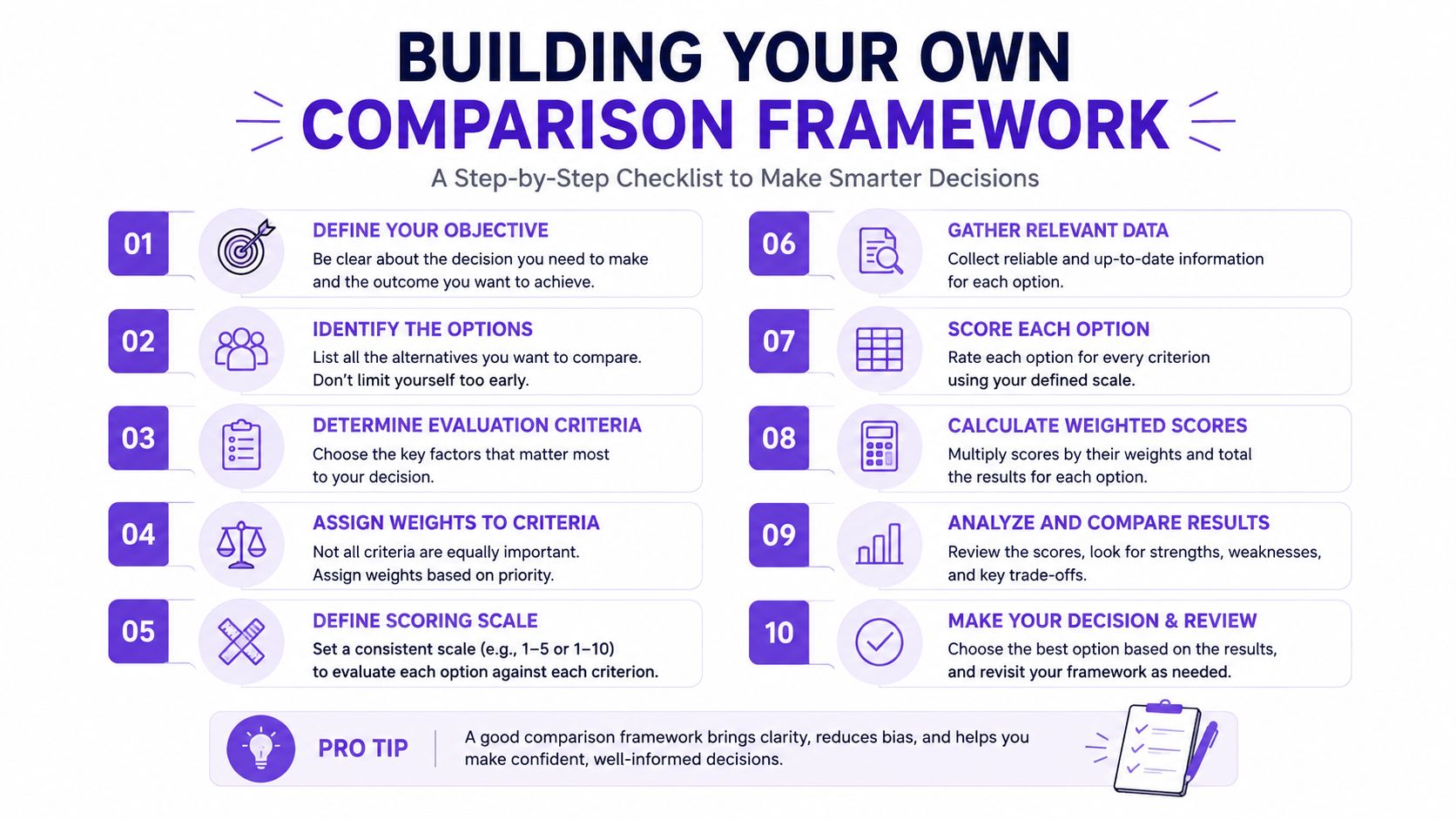
A personal testing matrix does not need to be fancy to be useful. It just needs to be repeatable enough that you can trust what it tells you when your home center changes shape during the night.
Start with the same shot every time
Use one target line, one speed window, and one ball at a time. If you mix release changes, surface changes, and line changes all at once, the notes become too muddy to use. The point is to isolate whether the ball is too early, too lazy, or too quick off the spot.
A simple notebook or spreadsheet can track:
- Fresh reaction on the first few shots.
- Midlane read after the first visible transition.
- Backend shape once the pair opens up.
- Carry quality on pocket hits.
- Adjustment burden after each move left or right.
Record what the ball did to the lane
The best local testing logs don't just say “hooked more” or “looked smooth.” They note whether the lane started forcing a move, whether the ball lost hold in the midlane, and whether weak corners showed up when the pattern transitioned. That tells you more than a generic review ever will.
If you can't explain why a ball changed after game one, you haven't compared it yet.
A smart way to do this is to test two pieces with intentionally different roles, one control piece and one stronger piece, then see which one stays in scoring position longer as the lane breaks down. That's the comparison that matters when you're deciding what to buy next.
Strategic Recommendations for Arsenal Building
Build the bag around coverage, not novelty. A strong arsenal gives you a fresh-ball option, a transition ball, and a piece that holds up when control matters more than shape, so you're not forced into a bad fit just because the lane changed faster than you expected. The global bowling equipment market is projected to reach USD 2.09 billion by 2035 from USD 1.32 billion in 2025, which points to steady product churn and even more reason to buy with a gap-filling mindset rather than chasing every new release. Market projection cited in Bowling This Month
Think in terms of what your current bag can't solve. If you already own a strong asymmetric piece, the next buy probably shouldn't be another dramatic hook monster, it should be the piece that keeps you in play when the fresh look disappears. If your shoes make you fight the slide, that's a bigger performance leak than another ball with a shinier label.
The smartest budget goes to the gear that improves repeatability first. That often means one carefully chosen ball to cover a real gap, plus shoes that fit your foot and approach instead of forcing compensation. Long-term value comes from equipment that survives transition, protects your release, and stays understandable after the lanes get honest.
Bowling Gear Reviews publishes hands-on comparisons of balls, shoes, bags, and accessories with the lane conditions and fit questions that matter in real play. If you want more model comparisons built around oil transition, slide consistency, and practical carry, visit Bowling Gear Reviews and use the guides to tighten up your next arsenal decision.
