

You're halfway through a league session when the problem appears. Your sliding foot sticks just enough to pull your shoulders out of line, or it glides farther than expected and leaves you fighting to stay upright. You may blame your timing, the approach, or the lane, but the shoe is often where the inconsistency starts.
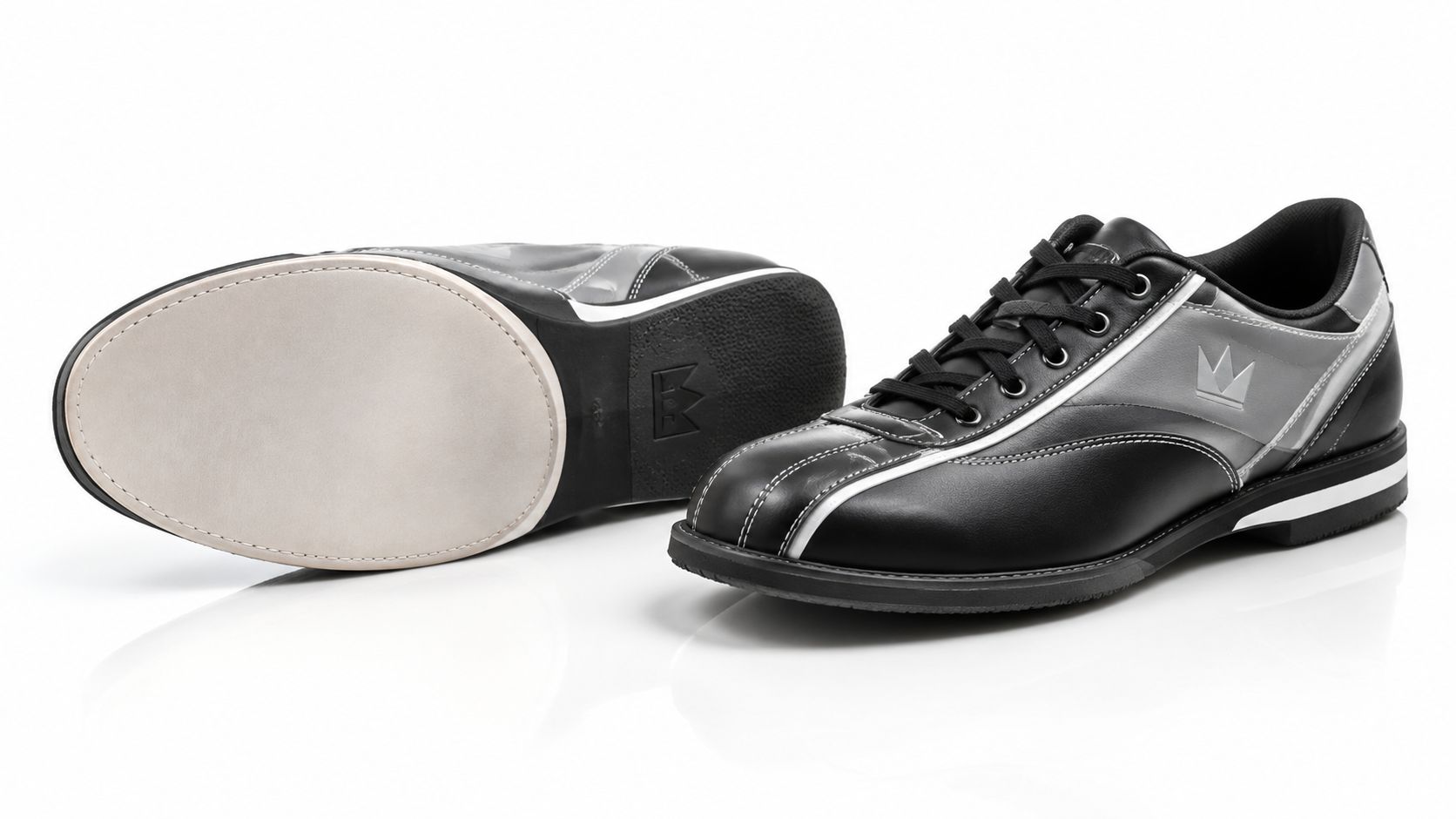
Men's bowling shoes aren't just flat athletic shoes with a smoother sole. They're built to manage two different friction demands at the same time. The fit also has to account for foot width, internal volume, perspiration, heel movement, and the way those factors change after prolonged play. A good pair should make your approach feel predictable, not force you to compensate for equipment.
Table of Contents
- Why Your Approach Dictates Your Shoe Choice
- Understanding Asymmetric Friction and Slide Mechanics
- Evaluating Foot Shape and Internal Volume
- Fixed Soles Versus Replaceable Systems
- A Practical Protocol for Sizing and Fitting
- Matching Shoes to Your Bowling Profile
Why Your Approach Dictates Your Shoe Choice
A bowler can make the same approach in practice and lose it during league play. The heel starts lifting, the forefoot shifts, or the slide foot meets more resistance than it did earlier. Those small changes alter the final step before the bowler notices a clear equipment problem.
Your approach depends on asymmetric friction management, but shoe choice also depends on how securely each foot sits inside the upper. A left-handed or right-handed configuration may put the sliding sole on the correct side, yet it cannot fix a loose heel or excess internal volume. Marketing labels such as “wide” are inconsistent between brands. One model may give useful forefoot room, while another leaves the heel floating.
Consider a left-handed bowler whose configuration is technically correct. The heel lifts during the slide and the forefoot moves sideways, so the bowler shortens the approach to regain control. Another player chooses a shoe with excessive grip, sticks near the foul line, and releases late because the body cannot complete its movement. Both bowlers are adjusting technique to cover for the shoe.
Practical rule: Your shoes should make the approach repeatable. They should not force a different technique to compensate for friction, heel movement, or pressure points.
The approach is a braking problem
Forward movement must finish with controlled slide length and a stable body position. The traction foot needs enough resistance to transfer force and check momentum. The sliding foot needs enough freedom to continue into delivery without stopping abruptly. The useful balance is not identical traction under both feet. It is predictable friction in each role.
A shoe that grips across the sole can feel reassuring while standing still, then create too much resistance during delivery. A shoe that feels slippery everywhere may reduce effort at the foul line, but the braking foot becomes unreliable and lateral movement increases. Neither condition gives the release a consistent base.
Friction also changes across a session. Approach dust, lane conditioner, moisture, and sole wear affect contact with the floor. Feet warm up, socks retain perspiration, and repeated steps can change how firmly the heel is held. A pair that felt acceptable during a short practice may therefore behave differently in later league games.
Fit protects technique as well as comfort
Fit problems do not always begin with a blister. Watch for a heel that lifts, toes that claw inside the shoe, pressure across the forefoot, or the foot rolling outward as the bowler brakes. Each movement can disturb balance and lead to compensations that become automatic.
Prioritize a secure heel, stable midfoot, sufficient toe room, and enough internal volume for the foot's shape. Cushioning, support, flexibility, lightness, and breathability matter, but they only help when the shoe holds the foot in the intended position. A bowler should finish a session without fighting the upper or tightening the laces repeatedly.
Start with the actual approach. Identify where the traction foot must hold, how far the sliding foot travels, and whether the heel stays locked through the final step. Then assess the shoe's fit and sole behavior. Logo, color, and handedness come after those checks.
Understanding Asymmetric Friction and Slide Mechanics
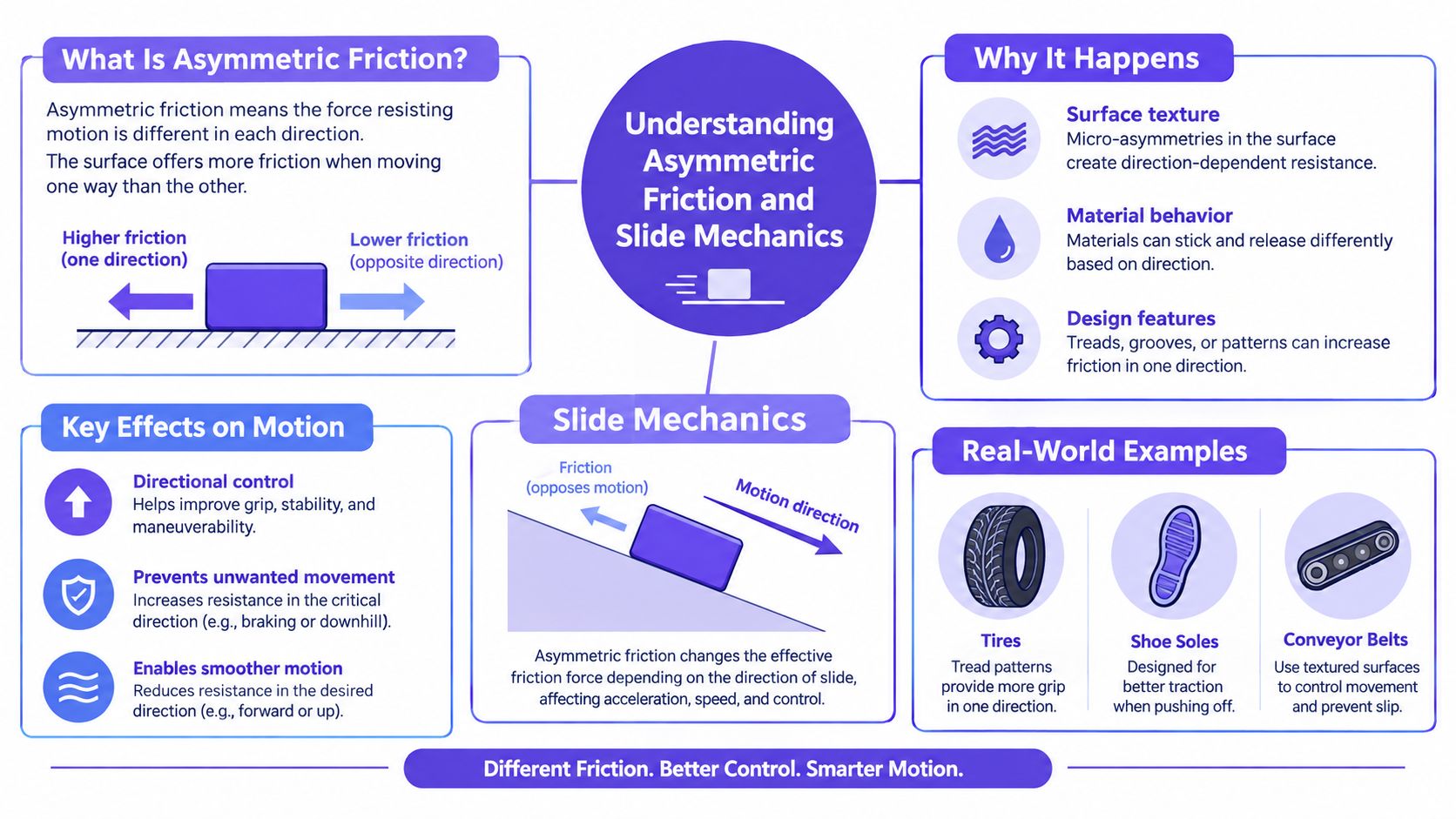
Most everyday athletic shoes are designed to provide broadly consistent traction under both feet. Bowling shoes take the opposite approach. They use asymmetric friction, meaning the two shoes perform different jobs during the approach.
The non-sliding shoe generally uses a rubberized sole to support braking and force transfer during the opening steps. The sliding shoe uses leather or synthetic suede to permit a controlled glide during the final delivery step. This is not a cosmetic distinction. The bowler must convert forward approach velocity into a predictable slide instead of stopping abruptly.
Why uniform traction fails
If the sliding sole grips too aggressively, the foot can stop before the body has completed its forward movement. That increases braking loads and can disturb release timing. The bowler may feel the shoe catch, then respond by leaning back, shortening the final step, or releasing the ball before the body has stabilized.
If the slide sole is excessively slippery, the opposite problem appears. The foot travels too far, the knee may collapse inward, and the bowler loses directional control. The shoe hasn't created a smooth slide. It has removed the ability to regulate the finish.
A controlled slide has a useful stopping distance. It lets the bowler move forward, lower the center of gravity, and arrive in a balanced position. The amount of movement varies with the bowler, the approach, and the surface, so a sole that works for one player may feel unmanageable for another. This is one reason why bowling shoes are slippery by design rather than by accident.
Handedness determines the fixed configuration
Right-handed bowlers generally slide on the left foot, while left-handed bowlers generally slide on the right foot. Entry-level or fixed-sole models must match that configuration because their traction and slide surfaces aren't designed to be swapped.
That distinction is easy to miss when buying online. A shoe may look symmetrical from above, but its sole construction can make it suitable for only one delivery direction. A left-handed player wearing a right-handed fixed shoe may find that the wrong foot tries to glide while the intended slide foot resists.
The safest test is functional, not visual. Confirm that the traction sole grips during the first approach steps. Then check whether the slide sole produces a repeatable stopping distance and keeps the torso aligned through the finish. Test the pair repeatedly rather than judging it from one successful delivery.
Friction changes during real play
Sole friction isn't a permanent specification. Surface contamination and wear can change the feel, and a dirty slide sole may produce an inconsistent release. Bowlers should inspect the sliding surface, keep it free from debris, and avoid treating a sudden change in movement as purely a technical problem.
Replaceable sole-and-heel systems help because they let the bowler adjust the friction profile instead of adapting technique to a permanently altered sole. That flexibility becomes more valuable when approach conditions change across practice, league play, and competition.
Evaluating Foot Shape and Internal Volume
A shoe marked wide can still pinch your instep, leave your heel moving, or give your toes too much room. The label usually describes forefoot width, not the shoe's full internal volume or its ability to hold your foot through an approach.
Two bowlers may both need extra space but require different shapes. One may have a broad toe area and a narrow heel. Another may need more height over the instep and added room through the midfoot. Solving only the forefoot problem can create pressure elsewhere.
Measure movement, not just width
Extra toe-box room can reduce rubbing when the toes spread naturally during the finish. Too much room allows the foot to slide sideways inside the upper. That lateral movement wastes force from the traction foot and can make the sliding foot settle inconsistently.
Heel lockdown matters just as much. A secure heel improves control, but the collar should not clamp the back of the foot. Hard pressure can create a hot spot that becomes more painful as games accumulate. A heel that lifts on every step makes the shoe unstable, even when the length is correct.
Check the shoe in three zones:
- Toe box: Toes need usable space without being squeezed together or allowed to move freely inside the shoe.
- Instep and midfoot: Lacing or another closure should distribute pressure and hold the foot without creating one tight ridge.
- Heel counter: The heel should stay seated while walking, braking, and setting up for the slide.
Walk in the shoes, make several approaches, and hold the finish. A fit that feels fine for one delivery may reveal heel lift or midfoot movement after repeated stops.
Moisture changes the fit
Perspiration can make a close upper feel tighter and change how the foot moves against the sock. Breathability reduces the effect of dampness, while the right sock can prevent minor rubbing from becoming a blister. Test bowling shoes with the socks you normally use, not a thin store sock.
Footwear qualities also matter by zone. Cushioning affects pressure under the foot and over the instep, while heel-counter stability and midfoot support limit lateral shift during braking. Flexibility helps the shoe follow the approach, and breathability helps manage moisture. Suitable bowling footwear should address comfort and reduce common problems such as blisters and corns, as described in this sports-injury guidance on suitable bowling footwear.
Pain is useful information
Persistent pain, numbness, repeated slipping, and recurring blisters are fitting signals, not routine parts of learning. They can indicate that the internal shape is wrong or that inconsistent sole friction is forcing an unstable position.
A different width may help, but it may leave the underlying problem untouched. If symptoms continue, worsen, or affect ordinary walking, seek a professional fitting or medical assessment. Replacing the shoe without identifying the pressure point can merely move the problem to another part of the foot.
Fixed Soles Versus Replaceable Systems
Fixed-sole shoes are straightforward. The traction and slide materials are built into the shoe, so there are fewer parts to inspect and no adjustment system to learn. For a casual bowler, that simplicity can be a real advantage.
The limitation appears when the approach changes or the sole wears. A fixed slide surface gives you no practical way to fine-tune the amount of movement. Once the friction profile changes, the bowler has to adapt technique or replace the shoe.
Replaceable systems separate the upper from the part that controls contact with the approach. The bowler can change slide soles or heels to respond to surface contamination, wear, and changing approach conditions. That doesn't make every interchangeable system automatically superior. It adds useful control, but only if the bowler maintains the attachment points and understands how each sole behaves.
The main trade-offs
| Feature | Fixed Sole Shoes | Replaceable Sole Systems |
|---|---|---|
| Simplicity | Ready to use with minimal adjustment | Requires selection and installation of compatible parts |
| Friction control | Limited to the factory configuration | Allows changes to slide and heel behavior |
| Maintenance | Fewer components to clean and inspect | Attachment surfaces must stay clean and secure |
| Long-term flexibility | Technique must adapt as conditions or wear change | Sole and heel changes can compensate for those changes |
| Best fit | Casual play and uncomplicated setups | Regular league play and bowlers who need repeatable adjustment |
An interchangeable system is most useful when you can identify what changed. If the slide becomes inconsistent because the sole is contaminated, swapping parts without cleaning the shoe won't solve the underlying issue. If the bowler hasn't tested the replacement surface, a faster or slower slide may create a new timing problem.
The upper also matters. A replaceable system can extend the practical life of the shoe by allowing worn contact parts to be changed, but a stretched heel counter or damaged closure still limits performance. Don't confuse replaceable soles with unlimited durability.
A short demonstration can help new owners understand the attachment process:
Before play, check that the sole sits flat and that the fastening system is fully engaged. Debris under a hook-and-loop surface or an improperly seated clip can create a raised edge, which changes the way the foot contacts the approach. Bowlers who use replaceable systems should also carry a simple cleaning routine and inspect the soles between sessions.
For a practical maintenance walkthrough, use this guide to replace soles on bowling shoes. The important point is not merely learning the swap. It's learning to recognize when a sole change is justified and when the problem is fit, contamination, or worn footwear.
A Practical Protocol for Sizing and Fitting
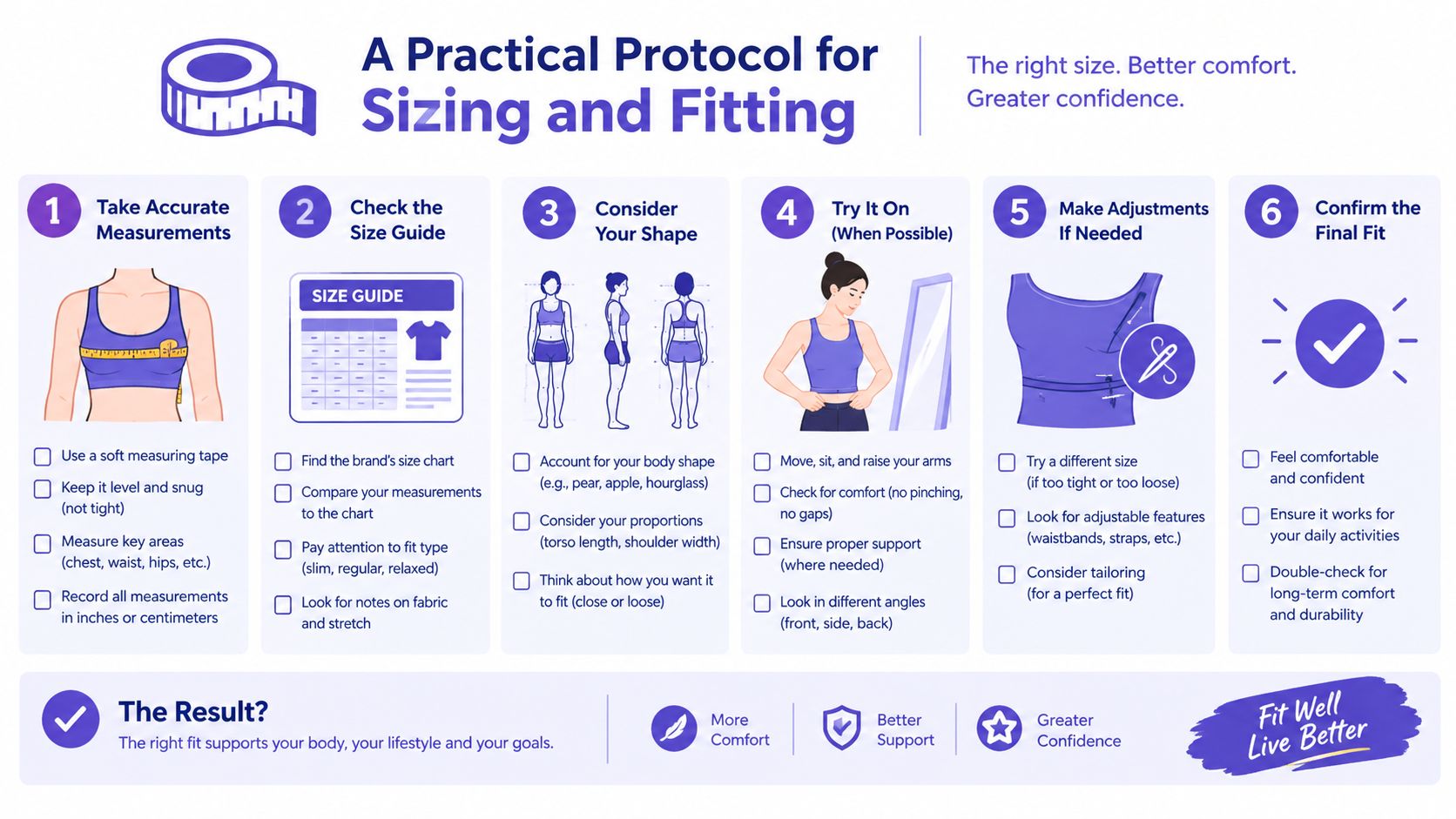
A size printed on a box is only a starting point. Bowling shoes need to fit while the foot is moving, braking, and sliding, so a static standing check misses some of the problems that appear on the approach.
Try the shoes with your actual bowling socks. If you wear thicker socks during league play, testing in thin socks can leave you with a misleading amount of room and a different heel hold.
Six checks that reveal a bad fit
Start with length. Stand naturally and check that your toes aren't pressing into the front. Use a thumb-width guide as a starting point, then confirm that the extra space doesn't let the foot slide forward during braking.
Test the toe box. Wiggle your toes and spread them naturally. The upper should make contact without squeezing the toes together or leaving so much space that the forefoot shifts side to side.
Lock down the heel. Walk, stop, and lift the non-sliding foot. The heel should stay seated rather than rising noticeably with each step. A loose heel can make a correctly sized shoe feel unstable.
Check the flex point. Bend into a delivery posture and observe where the shoe flexes. It should bend with the forefoot rather than folding behind the toes or resisting the movement of the foot.
Perform a lateral stability test. Shift your weight from side to side while keeping the foot planted. If the foot rolls inside the upper or the edge of the shoe collapses, the model may lack the control you need.
Simulate the approach. Take several controlled steps, rehearse the final slide, and hold the finish. Test both feet independently because the traction shoe and slide shoe have different jobs.
Test beyond the first impression
A shoe can feel comfortable for a few minutes and still create pressure after extended use. Walk long enough for the upper, sock, and foot to settle. Pay attention to heat, rubbing, numbness, and any urge to curl the toes to keep the shoe in place.
For online purchases, compare the brand's sizing information with actual measurements and review the return policy before ordering. The bowling shoe size guide can help organize that process, but no chart can replace a movement test when the model's shape is unfamiliar.
Fit test: If you have to grip the floor with your toes to keep the shoe stable, the upper isn't controlling the foot properly.
A correct fit also has to work for the intended handed configuration. Confirm the slide foot before ordering fixed-sole men's bowling shoes, especially if you bowl left-handed or are buying for someone else. For adjustable models, verify that the slide and traction components are placed correctly and secured before stepping onto the approach.
Matching Shoes to Your Bowling Profile
The best shoe depends less on a broad skill label than on how often you bowl, how demanding your approach is, and how much adjustment you're willing to manage. A casual player may value easy comfort above fine friction control. A regular league bowler usually needs a shoe that remains predictable through extended play. A competitive player may prioritize adjustability, but only if the fit is already sound.
Casual weekend player
Choose a fixed-sole model with a comfortable upper, dependable heel hold, and a slide surface suited to your delivery. Don't pay for an adjustment system you won't inspect or use. The important checks are correct handed configuration, adequate toe space, and a traction foot that doesn't slip during the opening steps.
Comfort still needs structure. A soft shoe that allows the heel to wander may feel pleasant in the seating area and unstable on the approach. Look for breathability and cushioning, but make sure the foot remains centered when you rehearse the finish.
Regular league bowler
League play exposes weaknesses that short sessions hide. Moisture, surface contamination, sole wear, and fatigue can all change how the approach feels. A durable upper with reliable heel lockdown and a replaceable sole-and-heel system gives a regular bowler more ways to preserve a familiar finish.
This is also the point where internal volume deserves serious attention. A shoe marketed as wide may provide relief across the toes but still fail to support the midfoot. Conversely, a narrow-looking model may fit well if its heel and instep match your foot. Test the entire shape, not the label.
Competitive or tournament bowler
A competitive player needs precise control over the slide, but adjustability shouldn't become a substitute for disciplined testing. Select a system that lets you respond to approach conditions and wear, then document which sole and heel combinations produce a stable finish.
Inspect attachment points before every session, keep the contact surfaces clean, and test changes before using them in important competition. The goal is not maximum slipperiness. It's a repeatable transition from approach speed to a balanced release.
Bowling Gear Reviews evaluates men's bowling shoes through hands-on comparisons that consider fit profiles, slide and traction systems, replaceable components, stability, comfort, and durability. Its guides can be used alongside an in-person fitting when you're narrowing down models such as the Dexter SST 8 Pro, Brunswick TPU X Performance, KR Strikeforce Aviator, 3G Tour Ultra, or Storm Gust.
Buying priority: Choose the shoe that keeps your foot aligned and your stopping distance predictable. Feature count matters less than controlled movement.
Before buying, write down your slide foot, foot-volume concerns, usual sock thickness, and whether your approach tends to stick or over-slide. Use that list to compare shoes carefully. The right pair won't erase every technical error, but it will remove an avoidable source of inconsistency and let your release develop around reliable equipment.
Bowling Gear Reviews offers independent bowling-shoe reviews, comparisons, and fit guides covering slide systems, traction, replaceable soles, width profiles, stability, comfort, and durability. Visit Bowling Gear Reviews to compare men's bowling shoes by your actual approach needs, then use the fitting checks in this guide before you buy.
