

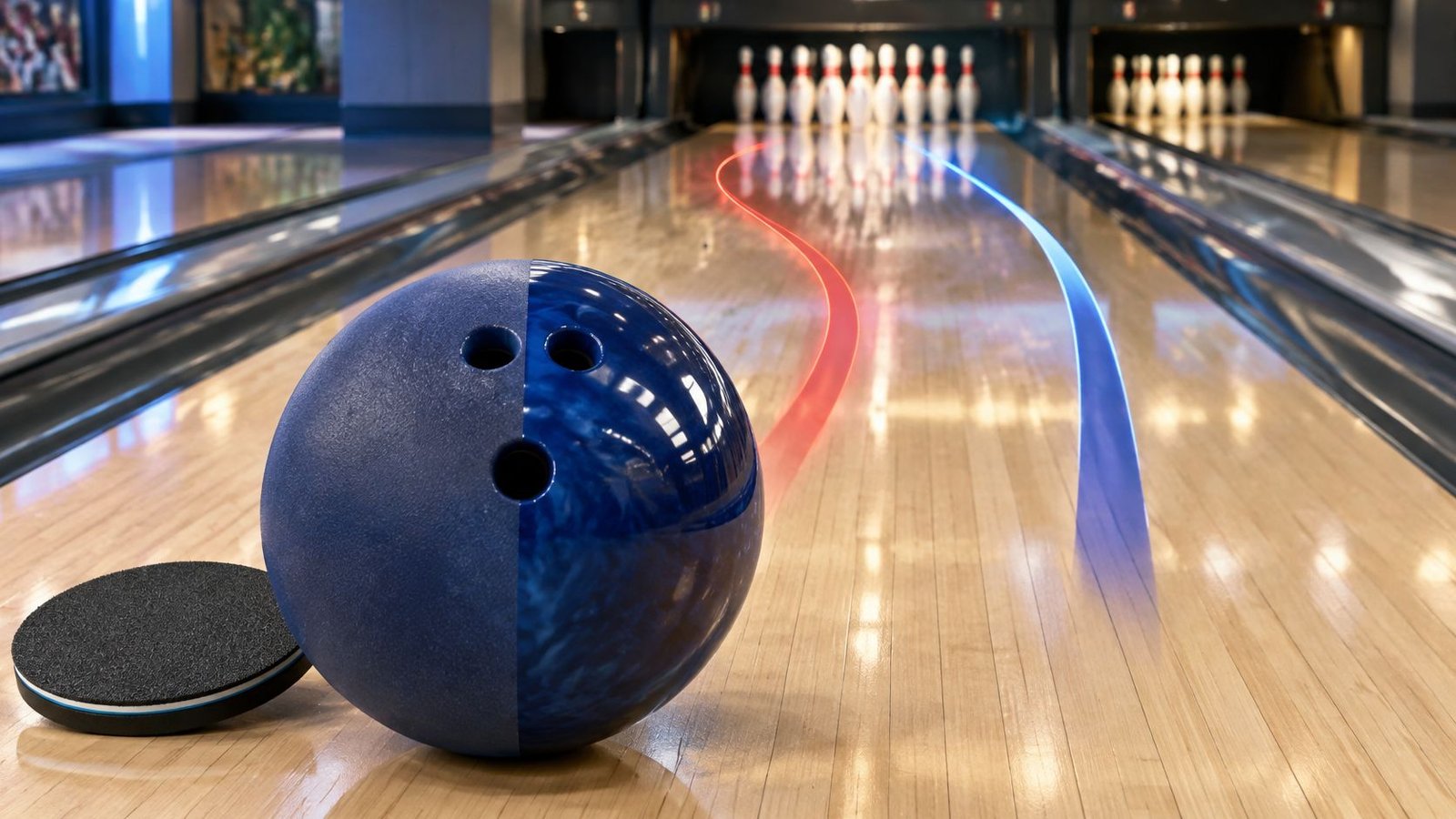
Bowling ball surface adjustments change how early the ball grips the lane, which shifts skid length, breakpoint position, hook shape, and the energy that reaches the pins. A rougher finish usually finds traction sooner, while a finer or polished surface tends to stay cleaner longer.
Table of Contents
- What Bowling Ball Surface Adjustments Change
- Matching Surface Grit to Lane Conditions
- Preparing and Adjusting Your Ball Before Practice
- Competition Rules for Surface Changes
What Bowling Ball Surface Adjustments Change
The difference comes from the cover’s texture and the way it controls friction. Surface work does not change the core, the weight, or the coverstock formula, yet it can move the moment when the ball stops skidding and starts to roll.
How Surface Texture Changes Friction
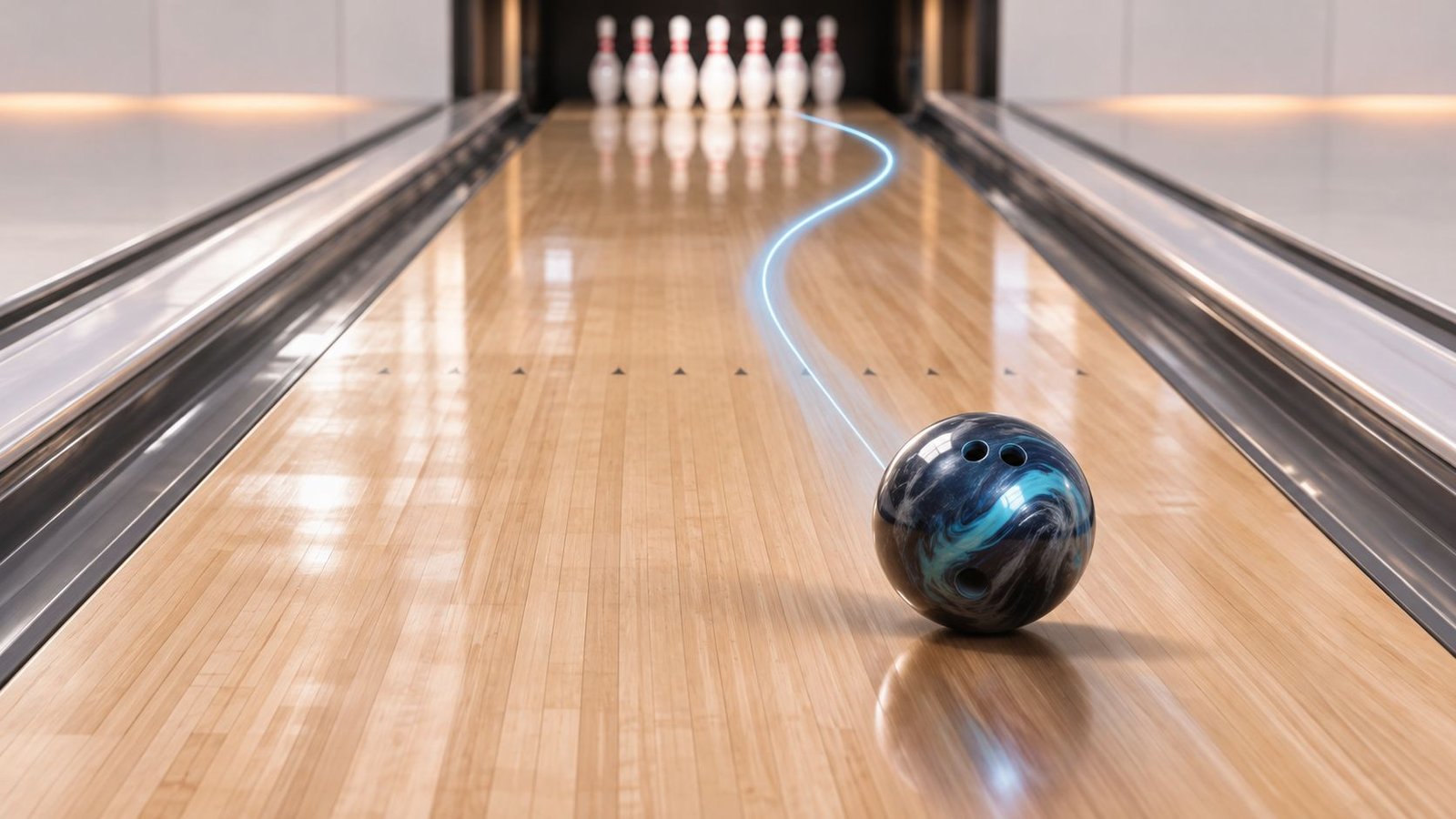
Treat the cover as the contact point between ball and lane. A dull, sanded finish has more bite, so it usually reads heavy oil earlier and begins its transition sooner.
A higher-grit or polished finish can glide through the front part of the lane with less disturbance. That keeps more speed and energy stored for a later backend move.
A surface change is a tool, not a repair. Judge it by where the ball changes direction and how much it carries into the pins.
Choosing a Finish For The Lane
The lane tells you which direction makes sense. Heavy oil rewards an earlier read because the ball has to create motion before it runs out of room.
Drier or broken-down lanes often favor a finer finish that preserves length and keeps the hook from starting too soon. If the ball is laboring early, go cleaner. If it is skating past the breakpoint, add teeth.
Surface Finish and Expected Ball Motion
| Finish | Friction Timing | Lane Fit | Motion to Expect |
|---|---|---|---|
| Dull | Early traction | Heavy oil | Earlier read and shorter skid |
| Medium | Balanced traction | Medium oil | Smooth arc and moderate length |
| Polished | Late traction | Dry lanes | Longer skid and sharper backend |
Use the table as a starting point, then watch the actual shape downlane. The right finish is the one that makes the breakpoint predictable, not simply the one that hooks the most.
Change One Variable, Then Recheck The Read
Before testing, clean the ball and write down what you are starting with. Keep the test honest by changing one surface variable, then throwing the same line and target.
- Current finish and abrasive grit
- Oil pattern and lane wear
- Ball speed and rev rate
- Breakpoint shape and pin carry
For background on how cover material affects these choices, read our guide to bowling ball coverstocks.
Test one finish tonight, log the result, and keep only the clearest improvement.
Let the lane report set the direction for your bowling ball surface adjustments, then let ball motion confirm whether you read it correctly. If you are unsure what the report is telling you, this guide to bowling oil patterns breaks down the important clues.
Matching Surface Grit to Lane Conditions
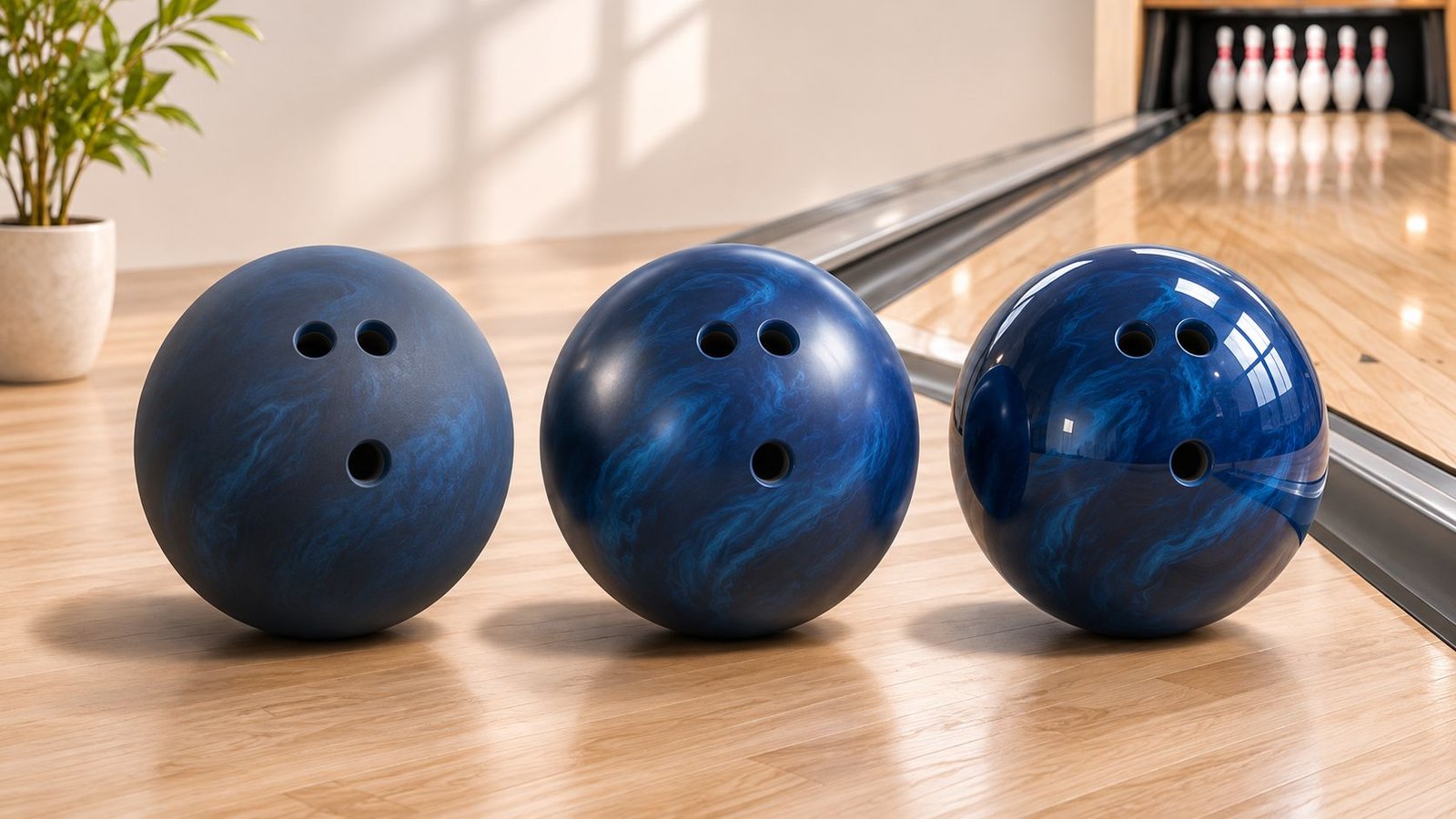
On fresh league oil, a ball that skates past the breakpoint usually needs help earlier, so think more texture before you think more hand. Storm’s surface guide links 500–1000 grit with earlier traction, and newer bowlers are better off moving one grit step from the finish they already know.
Say your usual ball keeps missing the pocket to the right on fresh. Try a slightly rougher finish in practice and watch for an earlier, smoother arc into the pocket rather than a bigger sideways move late.
Lane Oil and Surface Direction
Use this table as a quick read when the lane report and your eyes agree. It keeps the decision simple: what the lane is doing, which way to move the surface, what motion you want, and the clue that says you got it right.
| Lane Read | Surface Direction | Desired Motion | Sign It Worked |
|---|---|---|---|
| Heavy oil | Add texture | Earlier traction | Stops skating |
| Medium oil | Moderate finish | Smooth arc | Predictable pocket entry |
| Dry fronts | Finer finish | More length | Stops hooking early |
Treat these as starting directions rather than fixed grit rules. Coverstock still matters, so compare finishes on the same ball before assuming the same lesson applies to another one.
Diagnose Transition Before Adding Texture
When the pattern starts to break down, flat 10s can make sanding feel like the obvious answer. Hold that thought and watch the whole motion: if the ball hooks sooner and then dies at the back, the problem may be burn rather than a lack of grip, since lane breakdown changes friction and ball motion.
- Early hook followed by a weak finish points toward testing a finer surface for added length.
- Long skid followed by a late miss points toward checking whether more traction would help.
A flat 10 alone doesn’t name the right surface change. Read the shot from foul line to pins.
Dry practice pairs can fool you too. Even a shiny ball can overreact when friction is high, and a finer finish may only delay the hook rather than calm it down.
Before your next session, pick one surface direction, keep your delivery steady, and write down whether the breakpoint carries the ball back to the pocket.
Start with a clean cover before making bowling ball surface adjustments. Old oil and belt dust can fake the result and make a good change look inconsistent.
Preparing and Adjusting Your Ball Before Practice
Use our guide to cleaning a bowling ball at home before you reach for an abrasive pad. Write down the factory finish, or the last surface you trust, so you know where the test began.
Storm’s preparation instructions call for cleaning first, sanding with steady pressure, and turning the ball often enough to keep coverage even. Hand sanding or spinner work, same rule: treat the whole shell, not only the pretty track area.
- Turn with intent. Blend overlapping passes so the track and flare region get the same attention as the rest of the cover.
- Hold pressure steady. A shiny patch is a cue to even things out, not an excuse to grind harder in one spot.
- Check under normal room light. Hunt for glossy bands, dull rings, and missed edges near the finger holes before you declare it done.
Uniform coverage beats one perfect-looking dull stripe every time.
Say a glossy band still wraps the track. Fix the coverage before you test, because otherwise you’re judging an uneven finish instead of a controlled change.
Keep Your Practice Test Repeatable
After sanding or polishing, clear off residue and clean again, following Storm’s wipe-and-test guidance. Throw a short set on the same line, speed, and target. A new release can hide what the abrasive actually did.
- Log the grit and number of passes.
- Mark whether you used polish.
- Add the day’s oil volume if it’s available instead of guessing later.
Don’t confuse full surface prep with a quick wipe between games. Before your next practice, settle on one finish, photograph the coverage, and check event rules before abrasives go in the tournament bag.
A ball can feel completely different in your hands and still roll exactly the same way down the lane. That's why every bowling ball surface adjustment should be judged by motion, never by how the coverstock feels under your fingers.
Three Things to Watch on Every Test Set
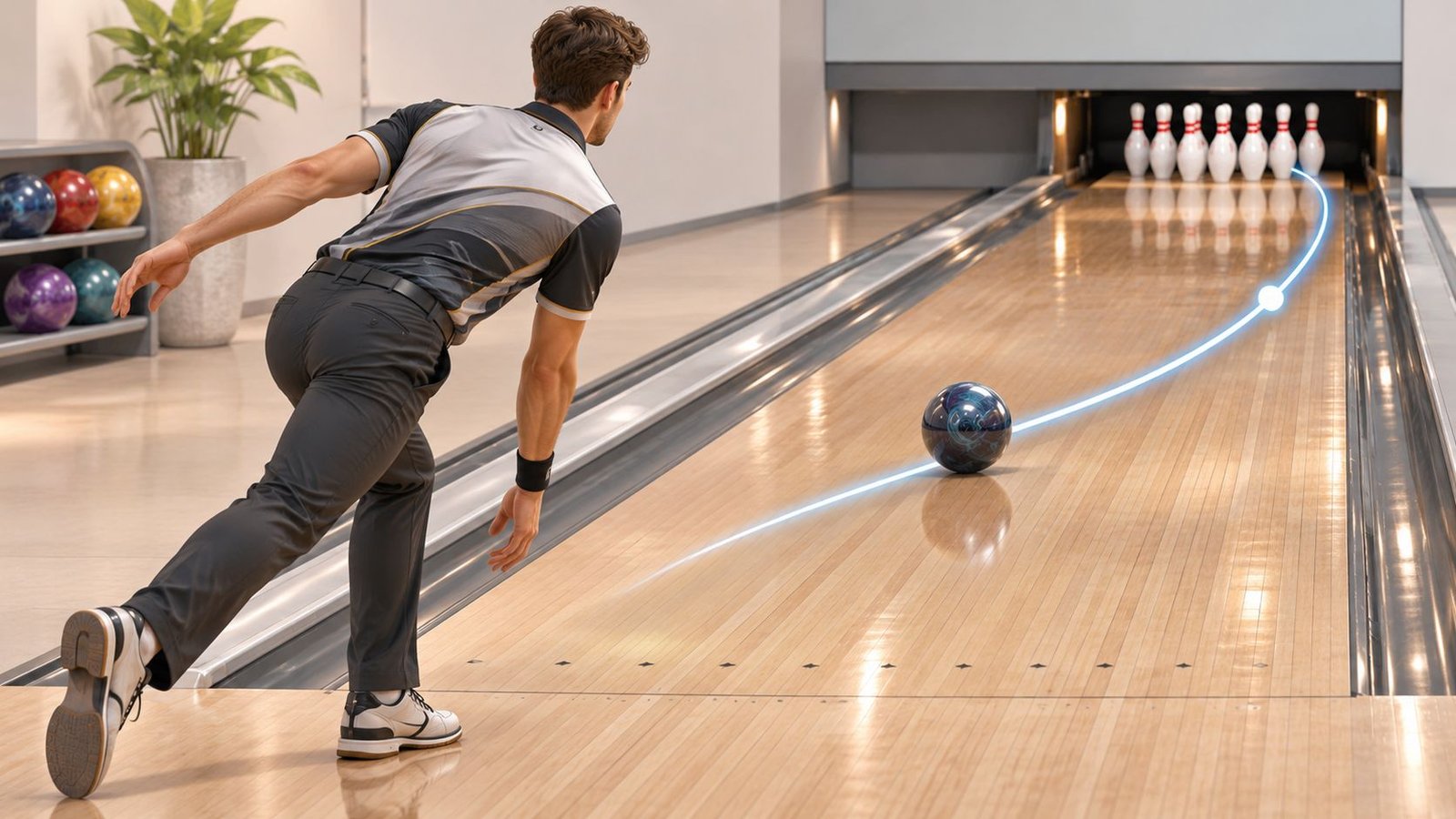
Over a short run of shots, focus on three checkpoints:
- Where the ball stops skidding and transitions into its hook phase
- How sharp the move is once it reaches the breakpoint
- Whether the entry angle improves carry or leaves you staring at splits
When the breakpoint gets sharper and the pocket fills shot after shot, the surface is working. When carry starts turning into corner pins or splits, your angle is off even if the hook looks bigger than before.
A League Example Worth Copying
One league bowler I know added texture and watched the ball read the lane way too early. The following night he went the other direction with a polished pass, and the ball blew past the pocket entirely.
The smarter move came at his next practice session. He tried one grit step between the two extremes rather than piling multiple changes on top of each other. Stacking adjustments only hides which one actually made the difference.
Judge the finish, not the feel. Two shots that look identical in your hand can roll completely differently downlane.
Keep the Test Honest
Write down your ball speed and rev rate next to the surface notes. A stronger release on a given night can easily get credited as a surface win when the real explanation was your hand.
When two finishes look nearly identical but the motion tells a different story, the cause almost always sits in the surface rather than the core. Keep tracking control, carry, and consistency across the full set of shots.
Here's a simple rule to end on. If pocket entry and miss room both improve on the same line, that finish stays. If only one shot looked better, go back to your logged baseline and run the test again.
Timing matters as much as grit when planning bowling ball surface adjustments. A habit that is smart in practice can turn into an illegal move once scoring begins.
Competition Rules for Surface Changes
Handle sanding, polishing, and cleaning before league or tournament play starts. After competition begins, keep abrasives, liquids, and cleaning agents off the ball.
The cover also has to stay free of foreign material, including powder, rosin, marker, or paint. Keep those products away from the shell instead of assuming a little residue will slide by.
- Finish your surface prep before play, then note the final grit or polish.
- During competition, leave sanding pads, polish, and liquid cleaners in the bag.
- If maintenance feels questionable, ask an official what the current rules allow before touching the ball.
Picture a common league spot: in the second game, your ball starts skidding past the breakpoint. Fresh sanding on the track between frames is still a surface change during competition, even if the goal is only to bring back last night’s reaction.
A break between games isn’t permission to change the surface during competition.
Keep Surface Preparation Uniform and Documented
If a change is allowed before competition, it has to cover the entire surface evenly. Working only the track or one flare line crosses the line, because spot treatment can build a motion the core and cover design were never meant to create.
A short prep log keeps equipment work separate from competition maintenance:
- Write down the starting finish before touching the cover.
- Record the abrasive grit or polish you apply.
- Check for even coverage before the tools go away.
Rules can differ by event, so read the current rulebook and event policy rather than copying what another bowler did last season. Some tournaments add their own limits on top of the standard ones.
Before your next league night, confirm the preparation cutoff with an official and get every bit of surface work finished ahead of it.
Most unreliable bowling ball surface adjustments start with the tools, not the grit. A pad loaded with residue or a few extra seconds on one side of the spinner can leave different textures across the shell, and then the next lane test tells you very little.
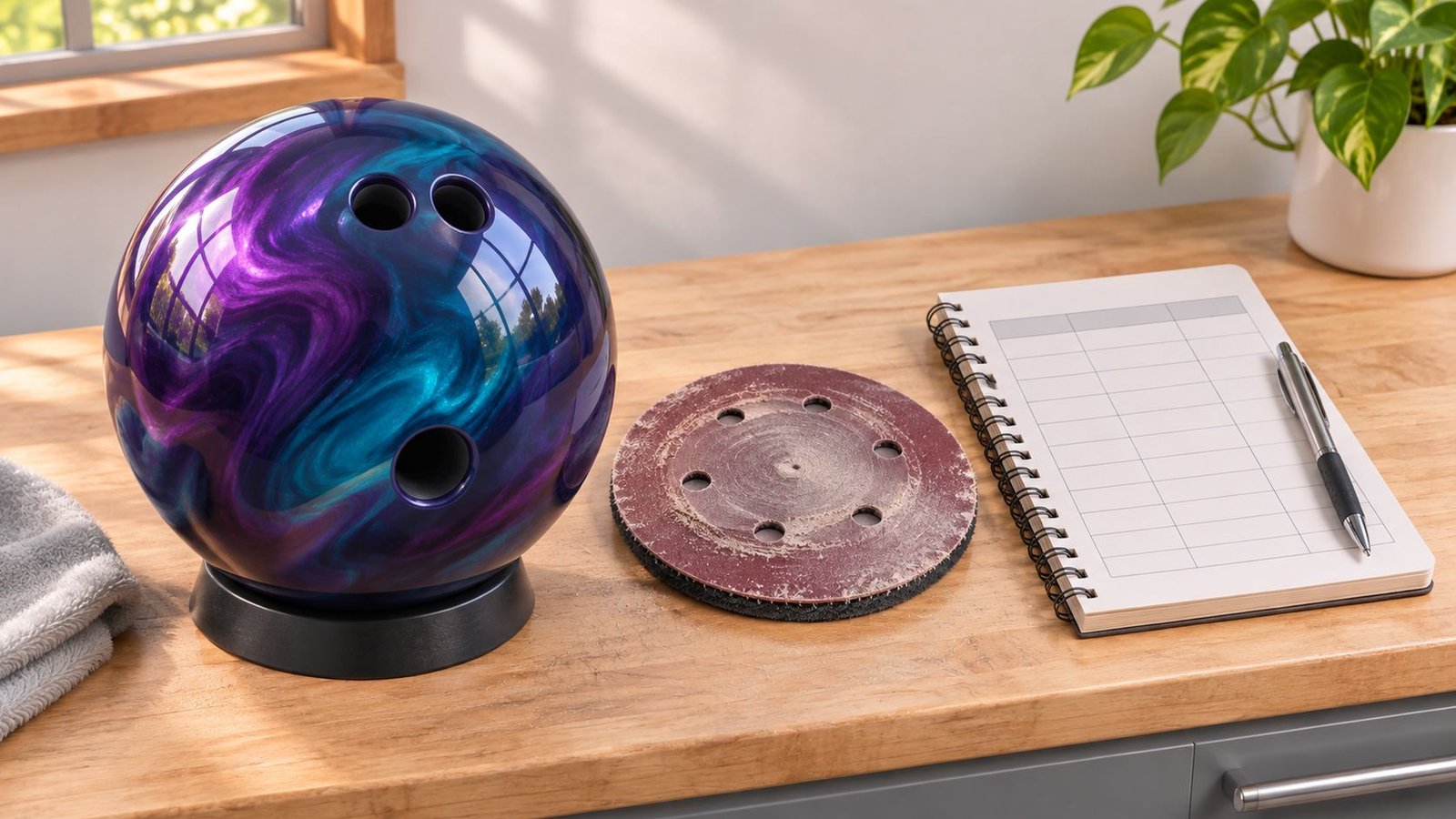
- Check the abrasive pads first. Clean them or swap them out when they load up; pressing harder only hides the problem.
- Keep spinner coverage even. Give each orientation the same attention, and treat a shiny band as unfinished prep.
- Protect the finish afterward. Wipe off sanding residue before storage and keep the ball away from loose lane dust in your bag.
Skipping cleaning or sanding only the track makes the same flaws worse. Follow Storm’s cleaning and coverage guidance instead of trying to correct an uneven surface by grabbing another grit.
A common mistake is changing two things at once. If you jump from 4000 to 1000 grit and also add more hand, an earlier hook has two possible causes. Make a smaller surface change, keep your release steady, then judge the result.
More hook isn’t proof of a better finish. A useful adjustment improves your intended motion, not just sideways movement.
Recover Your Last Reliable Finish
A polished ball can look great on a dry practice pair, then skid too far once fresh oil is down. Oil distribution changes ball reaction, so do not treat one practice result as the final answer.
The same goes for shine. Polish delays traction; it does not automatically create more total hook.
- Clean the cover before deciding an adjustment failed.
- Recreate your last logged successful finish as closely as possible.
- Test that baseline before reaching for another abrasive.
Before the next practice, inspect your pads, clean the ball compartment in your bag, and pack your surface log so you can repeat what worked.
Once bowlers start testing bowling ball surface adjustments, the same questions keep popping up. Here are the quick answers so you can scan, decide, and get back to throwing shots.
Can You Change the Surface During League Play?
No. Abrasives and liquid cleaners are part of your pre-competition prep. Once scoring starts, the cover stays as it is, so check the rule summary above before the tournament bag goes in the car.
Does Polish Always Create More Hook?
Usually it doesn’t. Polish delays traction, and that only turns into extra backend if the ball still has energy left at the breakpoint. A duller cover usually reads sooner and rolls smoother.
Polish buys length; hook still has to come from stored energy. If the ball is already burning up, shine just pushes the trouble farther down the lane.
How Often Should You Refresh a Finish?
Forget the calendar. Refresh when your logged reaction changes:
- The ball reads early because lane shine has smoothed the texture
- The hook fades because oil has filled the sanded surface
- The breakpoint drifts off the pocket even though your line looks the same
Will Surface Work Damage a New Ball?
Even, whole-ball prep is a normal way to tune a legal cover. What causes trouble is spot sanding the track or changing the surface mid-game, since that leaves uneven texture and a reaction the design never planned for.
Treat the whole shell, write down the grit, and the surface stays reversible.
If one question keeps following you through practice, add it to the surface log and test the answer next session.
Ready to use these answers on the lanes? Bowling Gear Reviews tests balls, shoes, and accessories on real lanes and publishes honest, hands-on reviews with no brand influence. Visit Bowling Gear Reviews for guides on choosing the right ball, weight, and surface for your game.
