

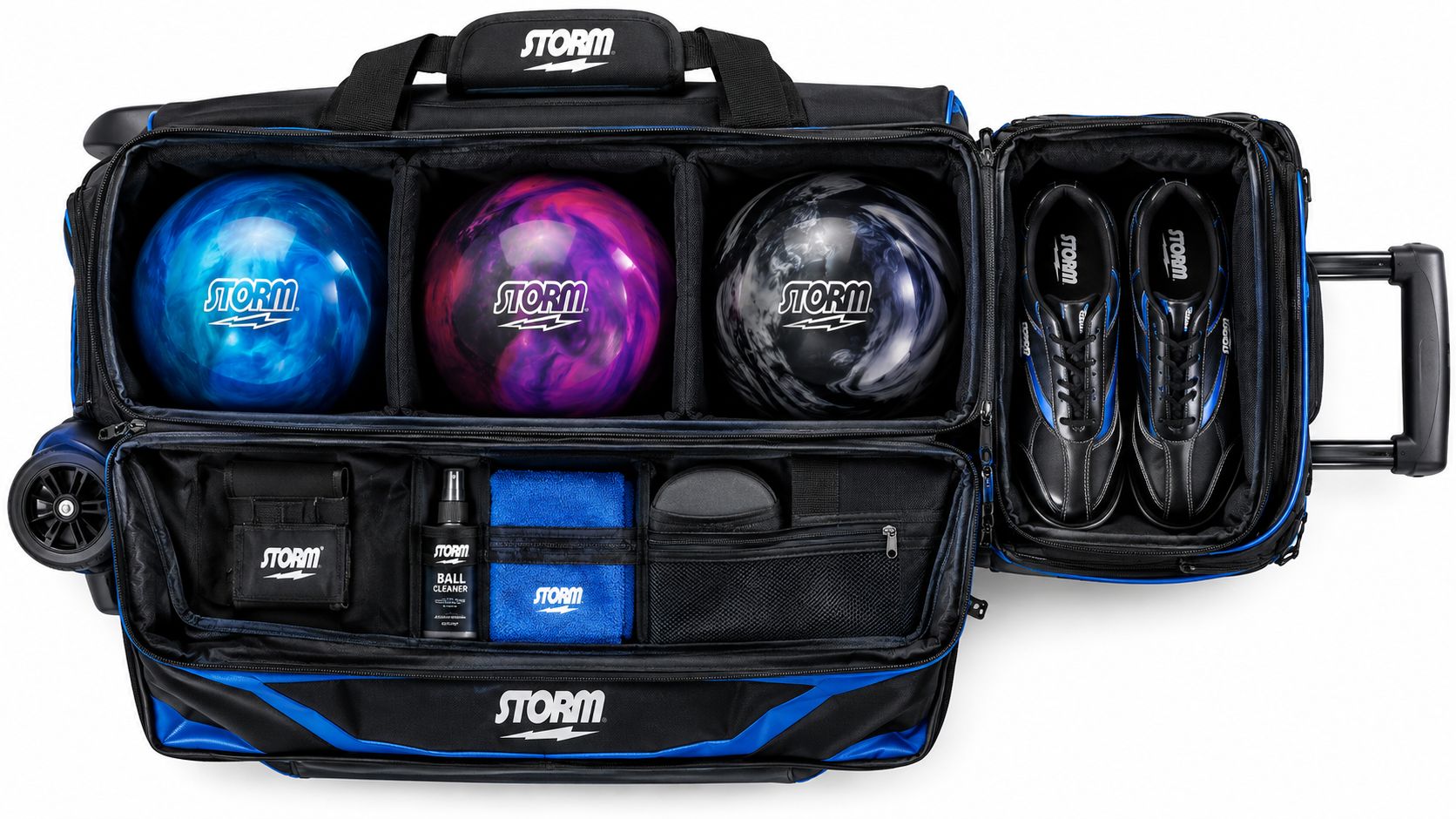
You've got a league night bag that's doing too much, or not quite enough. Three balls, shoes, a towel, tape, maybe a wrist support, and now you're deciding whether a 3 ball Storm bowling bag is the cleanest way to move all of it without beating up your gear or your back.
That decision usually starts with capacity, but the key question is fit. A Storm triple roller can be a smart tournament tool, a weekly league hauler, or unnecessary bulk, depending on how you travel, how much you carry, and how much abuse your bag has to survive between the car, the parking lot, and the approach.
Table of Contents
- Introduction to the 3 Ball Storm Bowling Bag Category
- Storm 3 Ball Bag Categories at a Glance
- Specs Capacity and Compartment Layout Explained
- Protection Build Quality and Hardware Deep Dive
- Packing Your Typical 3 Ball Kit With Practical Examples
- Real World Testing Notes on Maneuverability and Durability
- Choosing the Right Fit for Your Bowler Profile
- Quick Reference Lookup and Related Resources
Introduction to the 3 Ball Storm Bowling Bag Category
A 3 ball Storm bowling bag can serve two very different jobs. One version is a full-size roller that carries three balls plus shoes and accessories. The other is a lighter travel tote that keeps the same three-ball capacity but cuts weight and bulk for tournament trips or air travel. The key question is not just what fits inside, but how the bag handles once it is packed, rolled, lifted, stacked in a trunk, or checked for travel.
That difference matters for the bowler who loads from the garage once a week and the bowler who pushes gear through terminals and shuttle buses. The right size can still be the wrong choice if the handle flexes, the wheels feel rough, or the shoe compartment makes packing awkward.
This guide treats the bag like gear, not a spec sheet. Model names help, but layout, protection, and durability decide whether a triple works in real use. For a broader look at the main bag types before you settle on a triple, this bowling bag guide is a useful starting point.
Storm 3 Ball Bag Categories at a Glance
A tournament bag sitting on the floor tells you a lot before you ever load it. Some Storm 3-ball models are built to roll like compact equipment carts, while others stay light enough to carry through stairs, parking lots, or airport terminals without much strain. The trade-off is simple: structure and storage on one side, easy handling on the other.
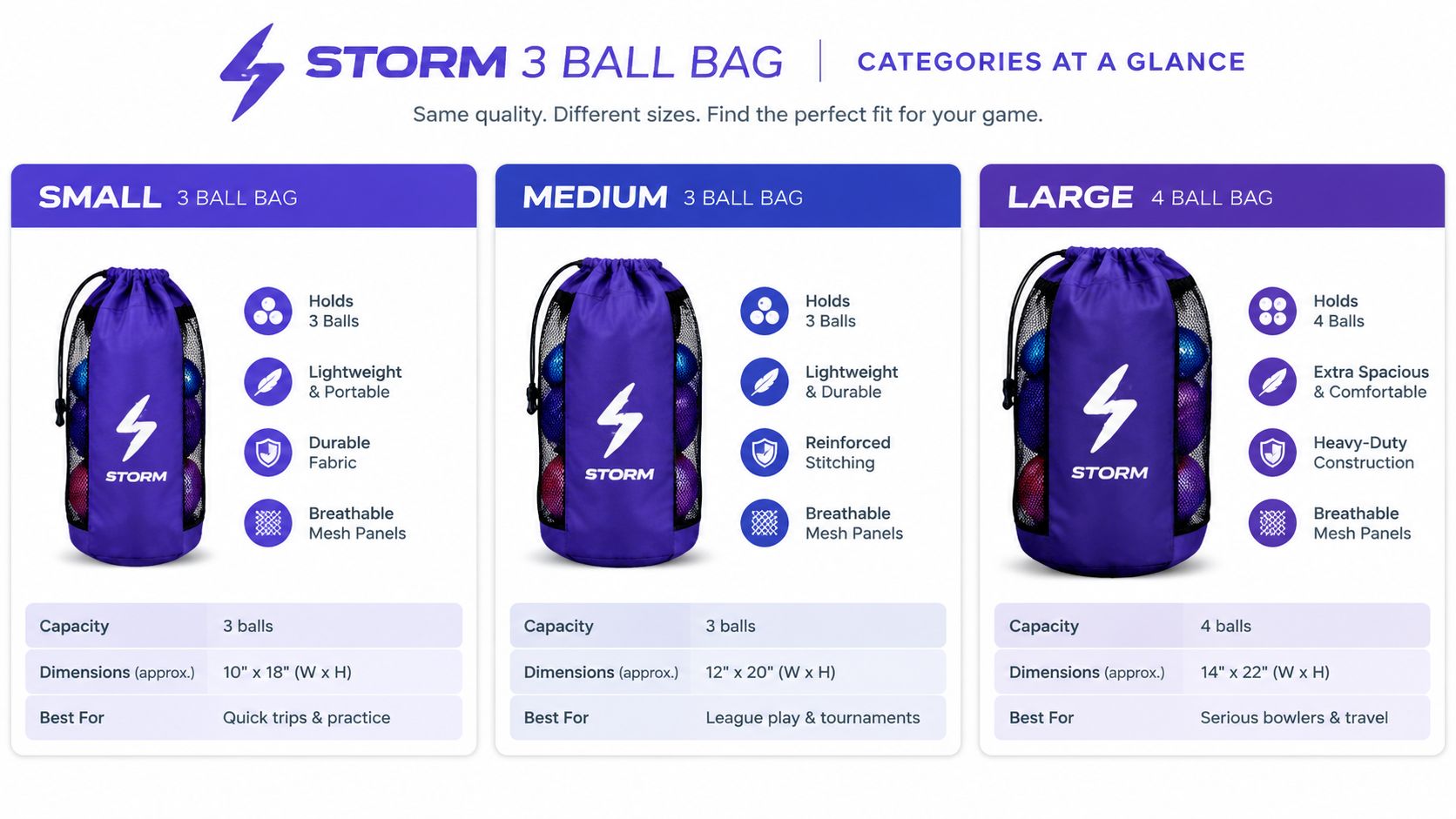
The Storm 3-Ball Streamline belongs to the traditional roller group. It has a larger footprint, a shoe compartment, and hardware meant for repeated league and tournament runs. The Rolling Thunder Air stays in the same full-size roller category, but its taller profile changes how it loads into a trunk and how it feels over curbs and rough pavement. The 3-Ball Travel Tote Pro goes the other direction, keeping three-ball capacity in a lighter shell that is easier to lift and easier to carry when travel matters more than a rigid frame.
A practical split helps here. Choose the roller if you want the bag to do more of the hauling. Choose the tote if you want less weight and fewer awkward lifts.
That choice affects the whole trip. A full-size roller is the better fit when the bag mostly moves from car to counter to lane. The travel tote makes more sense when stairs, tighter storage, or longer walking stretches are part of the day. Full-size models usually give you more shoe storage and a more traditional handle-and-wheel setup, while the tote keeps the profile smaller and the build lighter.
For bowlers comparing Storm's triples with a smaller carry option, this beginner bag review helps frame the storage trade-off without the extra bulk.
Specs Capacity and Compartment Layout Explained
A triple roller only feels simple until you pack one for real. Three balls are the headline, but the layout around them decides whether the bag works as a clean travel setup or turns into a cramped pile of gear. Storm's current 3-ball models commonly package three bowling balls plus a shoe compartment that fits up to men's U.S. size 15. That shoe pocket can save you from carrying a second bag, especially if your shoes and accessories usually travel together.
What the dimensions mean in real use
The Streamline measures about 18 inches wide, 12 inches deep, and 30 inches high. That gives it the familiar tall roller shape, which is easier to stand upright in a trunk and keeps the load organized when you are stacking balls and shoes together. The Rolling Thunder Air is about 14 inches wide, 17 inches deep, and 34 inches high, so it pushes more of the volume upward and slightly deeper. In practice, that can change how it fits beside other luggage and how stable it feels when you pull it over rough parking lots or curbs.
The 3-Ball Travel Tote Pro takes a different route. It measures about 8 inches wide, 9 inches deep, and 27 inches high and is advertised at less than 5 pounds. That is a clear trade-off. You give up the bulk and rigidity of a traditional roller, but you gain a bag that is easier to lift, easier to stash, and better suited to travel days where every pound matters.
| Model | Dimensions W x D x H | Weight Class | Shoe Compartment |
|---|---|---|---|
| Streamline | 18 in x 12 in x 30 in | Traditional full-size roller | Fits up to men's U.S. size 15 source |
| Rolling Thunder Air | 14 in x 17 in x 34 in | Tall full-size roller | Fits up to men's U.S. size 15 source |
| 3-Ball Travel Tote Pro | 8 in x 9 in x 27 in | Less than 5 lb travel tote | Compact travel tote layout source |
For a typical three-ball kit, the cleanest loadout is a benchmark ball, a stronger oil ball, and a spare ball. That keeps the bag useful without wasting space. If you are still deciding whether a triple makes sense for your setup, this beginner shoe-compartment guide is a useful check on how much storage you need before you commit to the bigger bag.
Protection Build Quality and Hardware Deep Dive
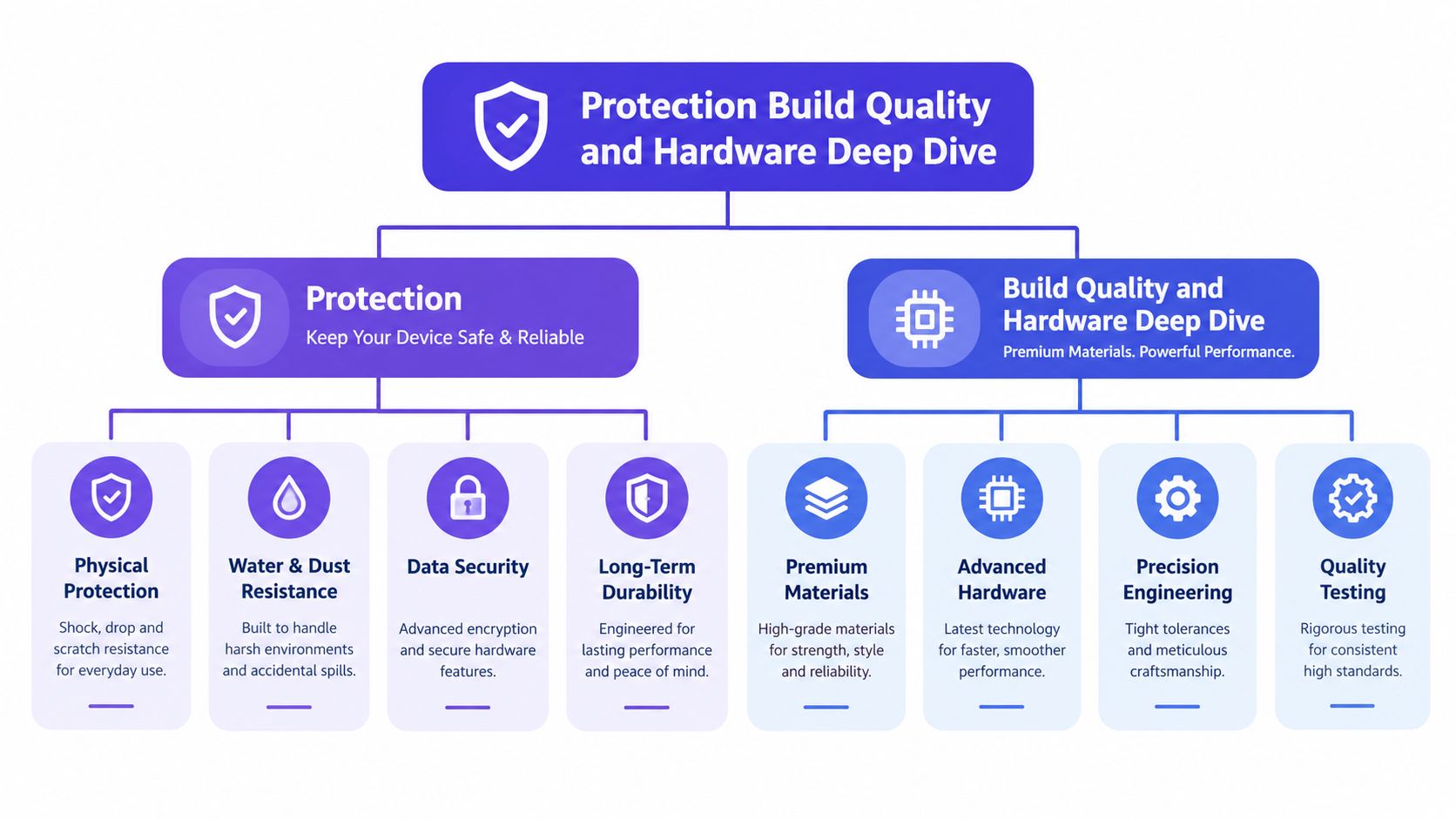
A triple bag can still be the wrong bag if the base flexes, the handle loosens, or the wheel hardware starts wearing out after regular league travel. In the Storm lineup, the 3-Ball Streamline is built around 600 denier polyvinyl fabric, a heavy-duty frame and hardware set, a forged steel axle, a locking telescopic handle, and two large 4-inch wheels. That points to a bag meant for concrete walks, trunk loading, and the kind of repeated use that exposes weak seams and weak mounts fast.
What protects the gear, and what wears first
The Travel Tote Pro takes a lighter approach. It uses a newly designed EVA base, a full clear top, a revised zipper path, skateboard-type wheels with smooth rolling bearings, extra padding, and a rear lift handle for stability. That favors easy carrying and simpler storage over the harder-shell feel of a traditional roller. The EVA base matters because the bottom of a bowling bag takes the first hit when it gets set down hard, pulled over a curb, or shifted inside a vehicle.
The practical inspection points are easy to miss if you only look at the bag from the outside. Check the zipper line, because that is one of the first stress areas on a heavily loaded roller. Check the handle lock, because a telescopic handle that slips or retracts unexpectedly gets old quickly. Check wheel alignment and axle smoothness, because a bag can still hold gear while feeling rough if the wheels grind or drag.
A bag does not fail all at once. It usually gets annoying first, then unreliable, then expensive.
The hardware package is what separates a bag that merely stores gear from one that protects it under repetition. The Streamline's reinforced stitching and zippers are meant to support long-term durability under league and tournament travel. The tote's revised zipper path and lift handle point in a different direction, one that favors portability and handling ease over a fully armored structure. For a second opinion grounded in real bag handling rather than brochure copy, Bowling Gear Reviews follows the same kind of practical use-case testing bowlers care about.
Packing Your Typical 3 Ball Kit With Practical Examples
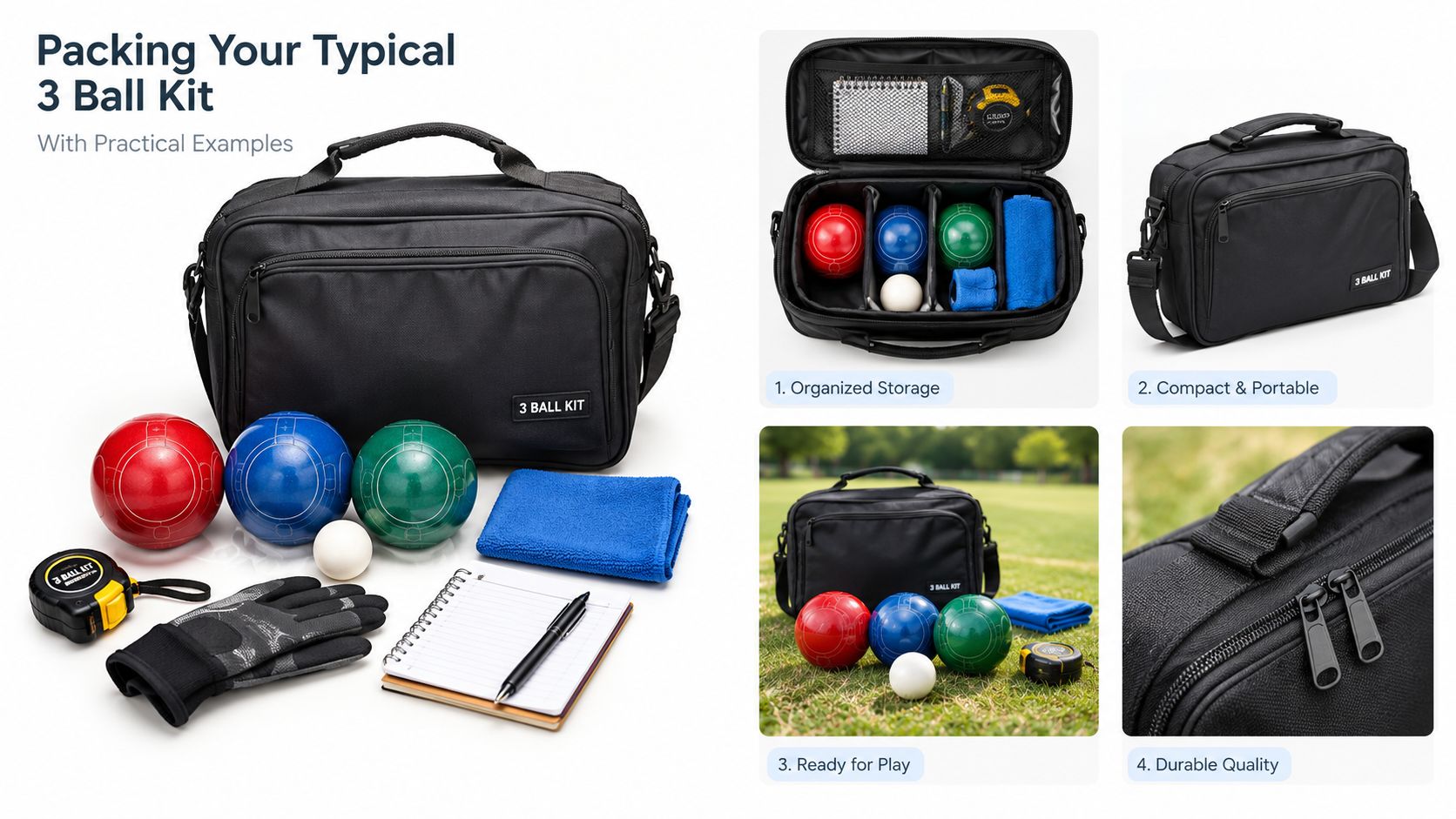
A clean three-ball setup works best when each ball has a job. For a league bowler, that usually means a benchmark piece for the fresh look, a stronger option for heavier oil, and a spare ball that keeps you from forcing your strike ball at corner pins. Pack the heaviest or most-used ball low and centered, then place the other two so the bag stays balanced when you lift it.
How different bowlers should think about the load
Tournament travel changes the packing plan. The goal is not just ball count, it is keeping the bag manageable through terminals, hotel lobbies, and loading zones. As noted earlier, the Travel Tote Pro's under-5-pound weight and compact body fit that use case well, especially if you want to trim the carry burden before the balls even go in.
A beginner with a growing arsenal should think in layers. One ball can cover most situations at first, but the second and third balls only earn space if they serve different jobs. Do not turn the third slot into a catch-all. Put in the ball you throw on the right lane condition, and keep bag accessories to tape, cleaner, a towel, a grip knife, or wrist support.
- Benchmark slot: Put your most reliable ball where it will not shift when the bag is rolled.
- Heavy-oil slot: Use the more aggressive ball for stronger motion and keep it from banging into weaker pieces.
- Spare slot: Keep the straighter ball easy to reach so you are not digging for it between games.
- Accessory space: Use the smaller pockets for consumables, not loose metal tools that can scratch covers.
The same packing logic helps on longer trips. A bag that matches the actual mix of balls and accessories stays easier to unload, simpler to carry, and less likely to twist the handle at an awkward angle. That matters more than squeezing every pocket full.
Real World Testing Notes on Maneuverability and Durability
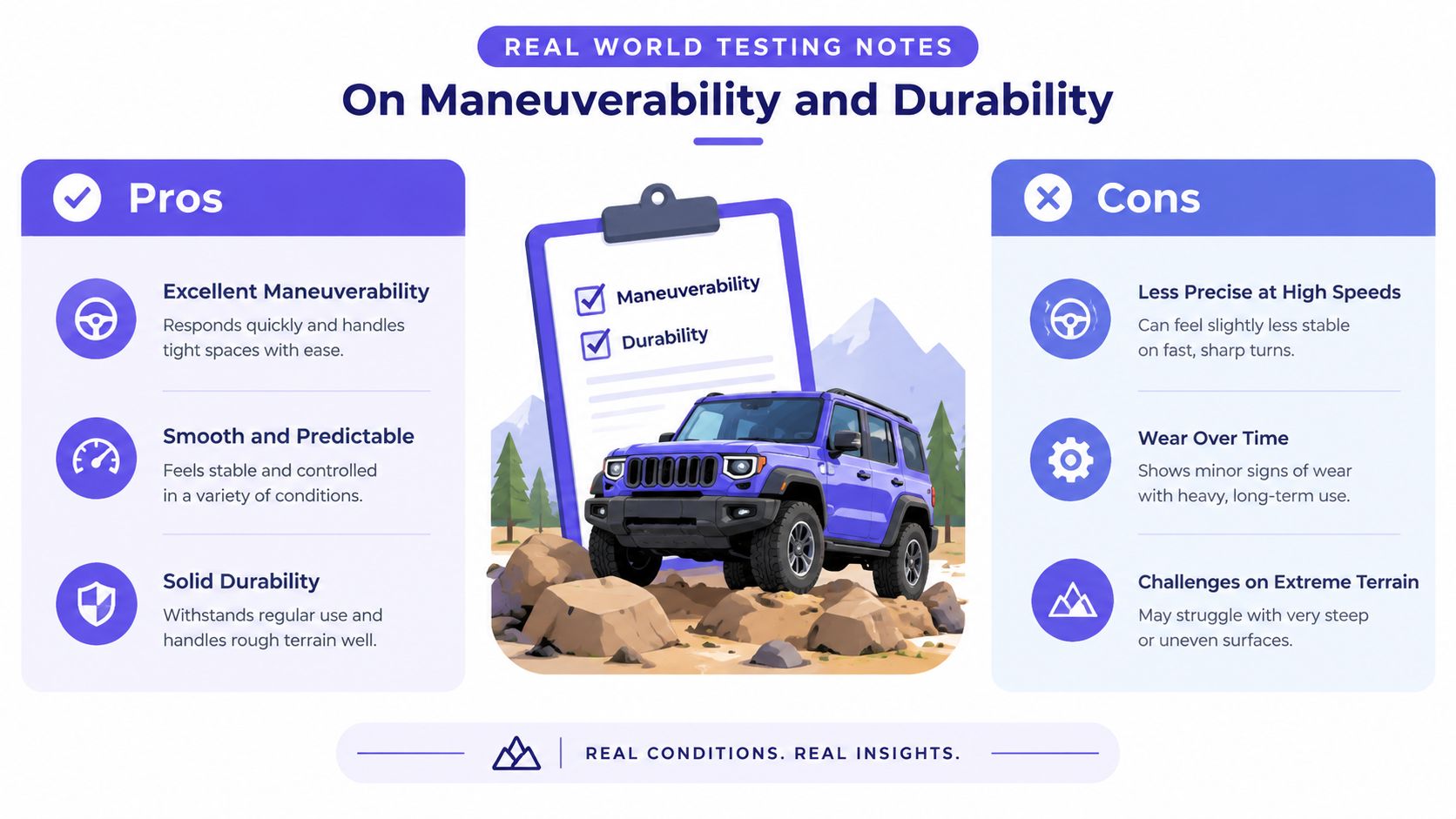
Most triple-bag writeups stop at capacity, but wear shows up later. In user reports on Storm triple rollers, the first complaints usually center on retracting handles, zippers, and grinding wheels, even when the bag still works overall source. That matches what takes the hardest hit in regular use, the moving parts, not the ball cavity.
Where the bag feels good, and where it starts to show age
A full-size roller usually rolls well on smooth floors and short parking-lot runs. The trouble starts after repeated lifts by the handle, curb drops, tight trunk angles, and long days where the bag gets dragged instead of carried. At that point, axle quality and wheel construction matter more than the outer graphics.
Airport-style loading is a useful stress test for the same reason. A bag can look fine upright in a shop, then show handle play or zipper drag after it has been tilted, stacked, and reloaded several times. That is the trade-off in triple rollers, smooth handling when fresh versus how well the frame and closures hold up once the load shifts again and again.
If a triple roller only feels easy before it is full, it is not really ready for travel.
The failure pattern matters too. When a bag is still serviceable but the handle sticks or the zipper path feels rough, that is early wear, not a dead bag. Treat that as maintenance time, because small wheel or handle issues often become bigger repair problems under weekly league use. For a lighter point of comparison, this single-roller review shows how much easier a smaller load can be to manage over time.
Choosing the Right Fit for Your Bowler Profile
A 3 ball Storm bowling bag makes the most sense for bowlers who use three balls with a purpose. League regulars often build around a benchmark piece, a stronger oil ball, and a spare ball. Tournament players can get the same benefit when they move across pairs or face changing lane patterns. The format looks less useful when the third ball is only there as insurance and the rest of the setup is carrying extra weight.
Weight changes the equation fast. Empty 3-ball rollers typically weigh 9 to 12 pounds, and loaded bags can reach 35 to 40 plus pounds source. That is why capacity alone does not tell the full story. You need to know whether you are comfortable moving a full cart every week, or whether a smaller bag fits your routine better.
Who should consider one, and who should slow down
Beginners usually do better with a smaller bag unless there is a clear plan to use all three slots soon. A league bowler who is building an arsenal may value the organization right away. Coaches and tournament bowlers who want clean ball separation and room for a full rotation can justify the size more easily. Gift buyers should be careful, because a triple roller can look impressive while still being too much bulk for the person receiving it.
Price comparison matters too. The bowling bag market has plenty of lower-cost options, with 247 ASINs in the $20 to $50 range source. That does not make a triple roller a poor buy. It does mean many shoppers will compare smaller bags first, then decide whether the larger format fits how they bowl.
Buy the bag that matches your weekly reality, not the one that only looks complete in the cart.
Long walks from the parking lot, a small car trunk, and a back that notices every extra pound all point toward a lighter setup. Frequent ball changes, event travel, and a full home base for the kit point the other way. The Storm triple format earns its place when the layout, protection, and handling all fit the way you travel, not just the number of balls you own.
Quick Reference Lookup and Related Resources
A triple roller only works well if the details match your kit, not just the number of balls it can hold. Denier tells you something about shell toughness and how the fabric should hold up to regular hauling. EVA base points to a shaped bottom that can help absorb knocks and keep the bag sitting better on hard surfaces. A telescopic handle is the pull handle that extends and locks, and it should feel solid before you trust it on league night.
Use this checklist when you compare models in person or read specs online:
- Shoe fit check: Confirm the shoe compartment fits your size, especially if you wear larger men's shoes.
- Handle lock test: Extend the handle fully and make sure it locks without play.
- Wheel spin check: Roll the bag empty, then loaded if you can, to feel axle drag and balance.
- Zipper path check: Open and close every access point before you pack balls into it.
- Lift point check: Use the rear handle or main grip and see whether the bag stays balanced when tipped.
A roomy triple can still be a poor match if the layout fights your routine. One bag may protect the balls well but feel awkward in a tight trunk. Another may roll easier yet give up a little structure or storage order. That trade-off is why the hardware and compartment layout matter as much as capacity.
Bowling Gear Reviews is useful for cross-checking bags, shoes, and accessories while you build a full kit. It helps you compare the bag against the rest of your setup instead of treating it as a standalone purchase. If you are organizing a first custom setup or replacing a worn roller, verify fit, test the hardware, and make sure the bag matches how you travel.
