

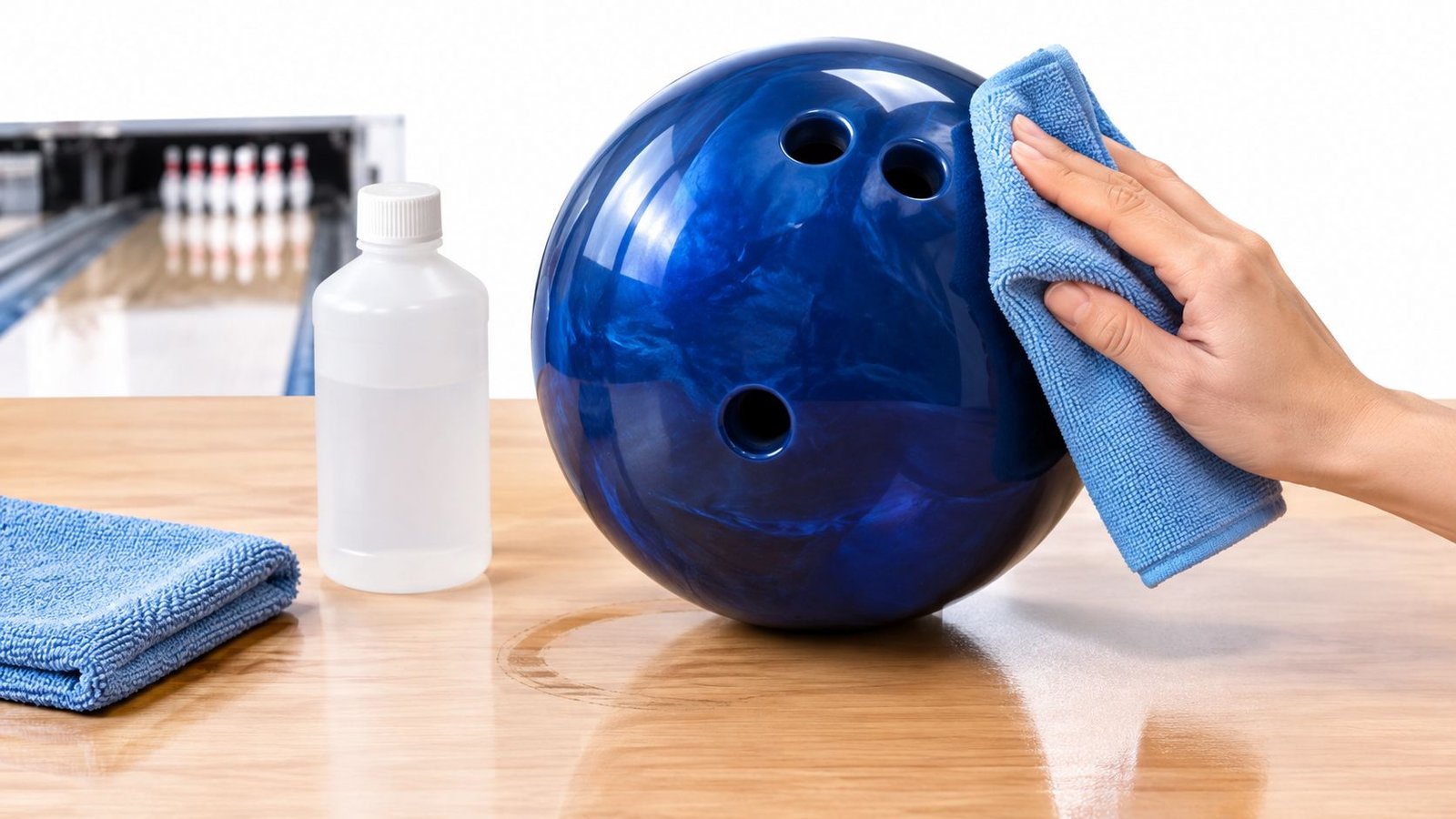
The most popular advice on bowling ball cleaner homemade recipes gets the job backwards. Bowlers search for a stronger kitchen mixture when hook fades, then add soap, vinegar, or something harsher and expect factory reaction to return. That expectation is the problem. A home wipe can remove fresh surface oil, belt marks, and loose lane grime. It can't reliably pull oil back out of a porous reactive coverstock, and it can't restore the original surface texture once that surface has changed.
Treat homemade cleaning as routine maintenance, not resurrection. Use the mildest method that leaves the shell clean and dry, keep it out of certified competition, and recognize when declining reaction points to absorbed oil instead of a dirty surface. That distinction protects your ball, your scores, and your eligibility on league night.
Table of Contents
- Homemade Bowling Ball Cleaner Recipes Compared
- Coverstock Limits for Homemade Cleaners
- How to Wipe Your Ball After Every Session
- Competition Rules for Homemade Cleaners
- Fixing Residue, Tackiness and Lost Reaction
- Maintenance Schedule and Setup Checklist
Homemade Bowling Ball Cleaner Recipes Compared
For most home bowlers, a 70% or higher isopropyl alcohol wipe is the safest routine choice. It's simple, it leaves little behind when you finish with a dry towel, and it doesn't require you to guess how much detergent is clinging to the shell. The other bowling ball cleaner homemade options have narrower uses, weaker evidence, or residue problems you have to manage carefully.
That doesn't mean alcohol does everything. It handles surface contamination after a session. It doesn't extract oil that has already migrated into reactive resin, and approval as a cleaner doesn't turn it into a deep de-oiling treatment. Once you accept that limit, comparing recipes gets easier, because you're judging what each mixture leaves on the ball, not chasing the strongest smell or the most ingredients.
What the Common Recipes Actually Offer
The alcohol and dish soap blend is the most detailed home formula in circulation. DishwashingPicks published a recipe with 1 cup of warm water, one-half cup of 70–90% isopropyl alcohol, and 2–3 drops of Dawn dish soap. It's built for heavier post-session grime, but the soap is also its weakness, since detergent film can change feel and friction if you don't rinse and dry thoroughly.
The vinegar option needs more caution. WishfulYou published an equal-parts recipe with 4 ounces of distilled white vinegar and 4 ounces of warm water. There's no USBC test data for that mixture in the available research, so treat it as an experiment, not a proven substitute for alcohol. Don't assume a kitchen acid is safer just because it's familiar from countertop cleaning.
| Recipe | Ingredients and ratio | Best use | Main risk | Competition status |
|---|---|---|---|---|
| Alcohol and dish soap mix | 1 cup warm water, 1/2 cup 70-90% isopropyl alcohol, 2-3 drops dish soap | Deeper cleaning after a heavy session | Soap residue changes feel if not rinsed | Not an approved cleaner, official permission required |
| Plain alcohol wipe | 70% or higher isopropyl alcohol on a separate towel | Routine post-session wipe | Surface only, does not pull absorbed oil out | On USBC approved-cleaner list, permission required in competition |
| Vinegar and water | 4 oz distilled white vinegar, 4 oz warm water | Experimental surface wipe | Acidic, no USBC test data in research | Not verified as approved, do not use in play |
| Mild soap wash | A few drops dish soap in warm water, rinsed and dried | Occasional non-competition wash | Detergent film alters friction | Not approved, off-limits in competition |
| Dry microfiber towel | Clean, dry towel only | Between games and all competition play | Cannot remove absorbed oil | Only cleaning method permitted during competition |
Plain alcohol wins for routine use because there's less to rinse away. A mild soap wash can make sense for an occasional non-competition cleanup, but only if you're disciplined about rinsing, because leftover detergent changes how the shell feels in your hand and how it reads the lane. The dry microfiber towel looks weak by comparison, yet it's the only option you can count on during play.
Practical rule: If you can't name every ingredient, its ratio, and how you'll remove it from the shell, don't put the mixture on the ball.
Three Rules Before You Mix Anything
- Pick one recipe: Don't rotate through alcohol, soap, and vinegar mixtures week to week, because you'll never know which one changed the surface.
- Patch test first: Try any new mixture on a small, inconspicuous spot, dry it completely, and check gloss and tackiness before wiping the whole ball.
- Never strengthen the mix: Adding more soap, vinegar, or a harsher solvent doesn't make a surface wipe into an oil extraction, and aggressive chemistry can alter the texture that controls ball motion.
Keep acetone, brake cleaner, bleach, and oven cleaner off the list entirely. Aggressive solvents can attack resin and alter surface texture, which is the opposite of maintenance. The best homemade cleaner is boring, repeatable, and mild. If a recipe promises to bring a dead ball back to life in one wipe, it's promising more than surface cleaning can deliver.
Coverstock Limits for Homemade Cleaners
A stronger homemade cleaner does not make a reactive ball's pores release oil. Reactive resin is porous, while urethane absorbs substantially less oil and polyester or plastic absorbs little or none. That difference sets the limit of a home wipe: it can remove fresh oil and surface dirt, but it cannot reverse oil already absorbed into a reactive cover.
USBC oil absorption testing applies a measured drop of mineral oil and records how long the coverstock takes to soak it in completely. The test describes how absorption is measured; it does not establish that a towel or homemade cleaner can extract oil from inside the shell. Choose a cleaning method for the coverstock and the kind of contamination you are addressing, rather than assuming a stronger mixture will restore reaction.
The three coverstock families below show why the same wipe does not suit every ball in your bag.
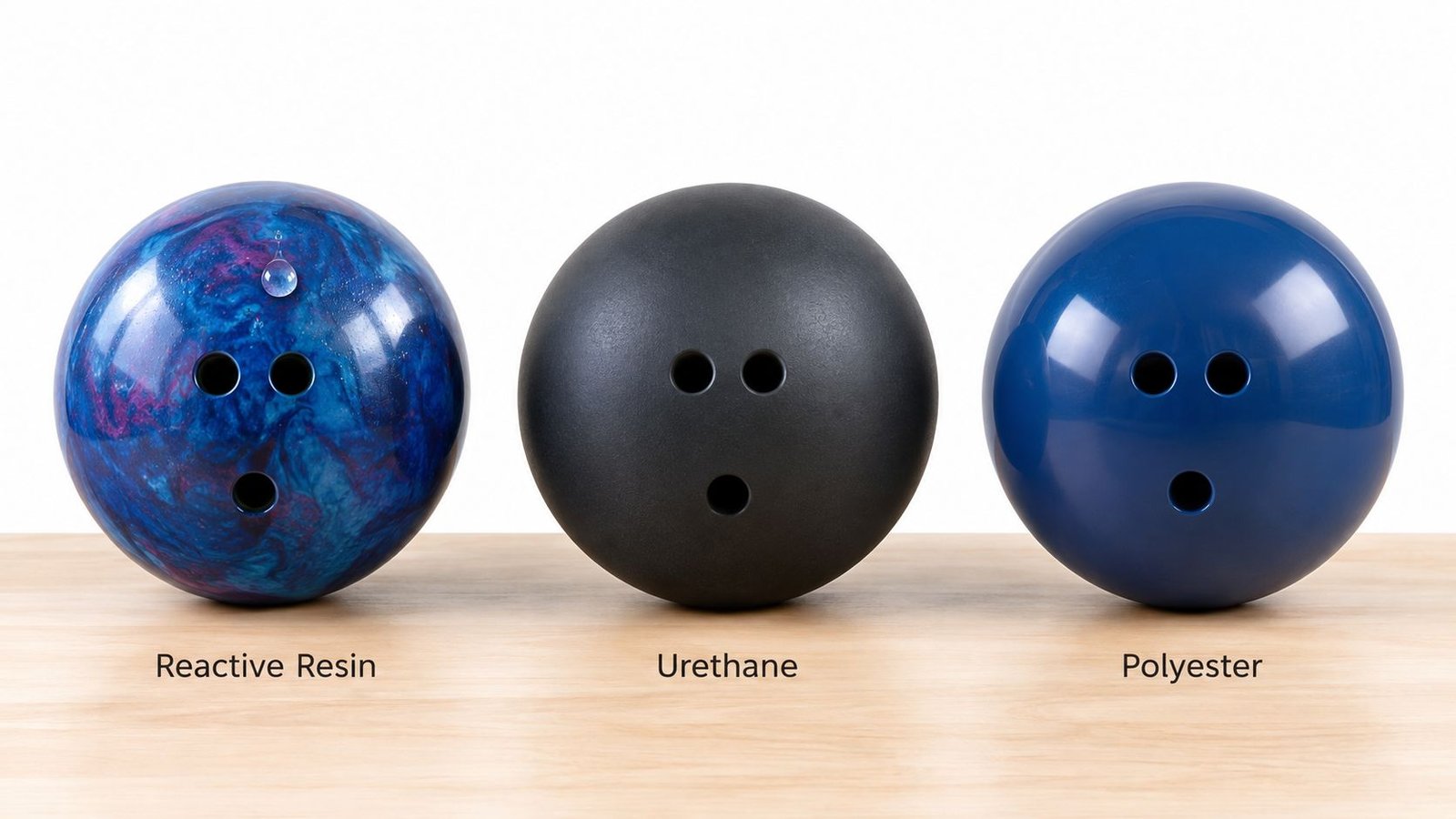
Matching the Wipe to the Shell
| Coverstock | Oil absorption | What a home wipe can do | Patch test first |
|---|---|---|---|
| Reactive resin | High, pores absorb oil | Removes fresh surface oil, not oil already absorbed | Yes, always |
| Urethane | Substantially lower than reactive | Usually handles routine surface wiping | Yes, for any new cleaner |
| Polyester or plastic | Little or none | Removes surface dirt; soap requires a full rinse | Yes, for any soap mixture |
| Unidentified ball | Unknown until confirmed | Use a dry towel, and identify the coverstock before using a liquid cleaner | Confirm coverstock first |
Reactive resin needs the most cautious approach. Its pores help the ball grip, but also allow oil to move below the surface. A USBC technical document on core and coverstock relationship describes reactive urethane pores as important for oil absorption. Wiping soon after bowling removes surface oil before it has more time to migrate. If you are considering a cleaner beyond the routine option, test it on a hidden area first.
Urethane absorbs less oil, so routine surface wiping is usually enough. That does not make it immune to residue: an unfamiliar mixture can leave a film or change the sheen. Patch test a new cleaner, let the area dry fully, and use it on the whole ball only if its appearance and feel remain unchanged.
Polyester or plastic is the least demanding coverstock for oil absorption. Most cleaning is about surface dirt, but soap still needs a thorough rinse. Detergent residue can change the feel of the shell even when the ball absorbs little oil. If you are unsure what your ball is made of, consult a guide to bowling ball coverstock types and behavior or ask a pro shop. Until you know, stick with a dry towel.
Running a Patch Test That Tells You Something
Choose a hidden spot near the thumb or finger holes, away from the main track. Put a few drops of your bowling ball cleaner homemade mixture on a towel, wipe the spot, and let it dry completely. Check its sheen in good light: does it look glossier or duller than the surrounding cover? Then feel for tackiness, slickness, or any change.
If the test area looks and feels like the rest of the ball, proceed cautiously. If it clouds, feels filmy, or changes sheen, stop using that mixture. A small patch test can reveal an incompatibility before it affects the full coverstock.
How to Wipe Your Ball After Every Session
A good post-session routine takes minutes and follows the same order every time. The order matters because each step sets up the next one. You're removing loose oil first, cleaning the track second, and drying last, so you don't smear contamination around or leave cleaner sitting on the shell.
The visual below shows the core sequence that the numbered routine expands into a full session habit.
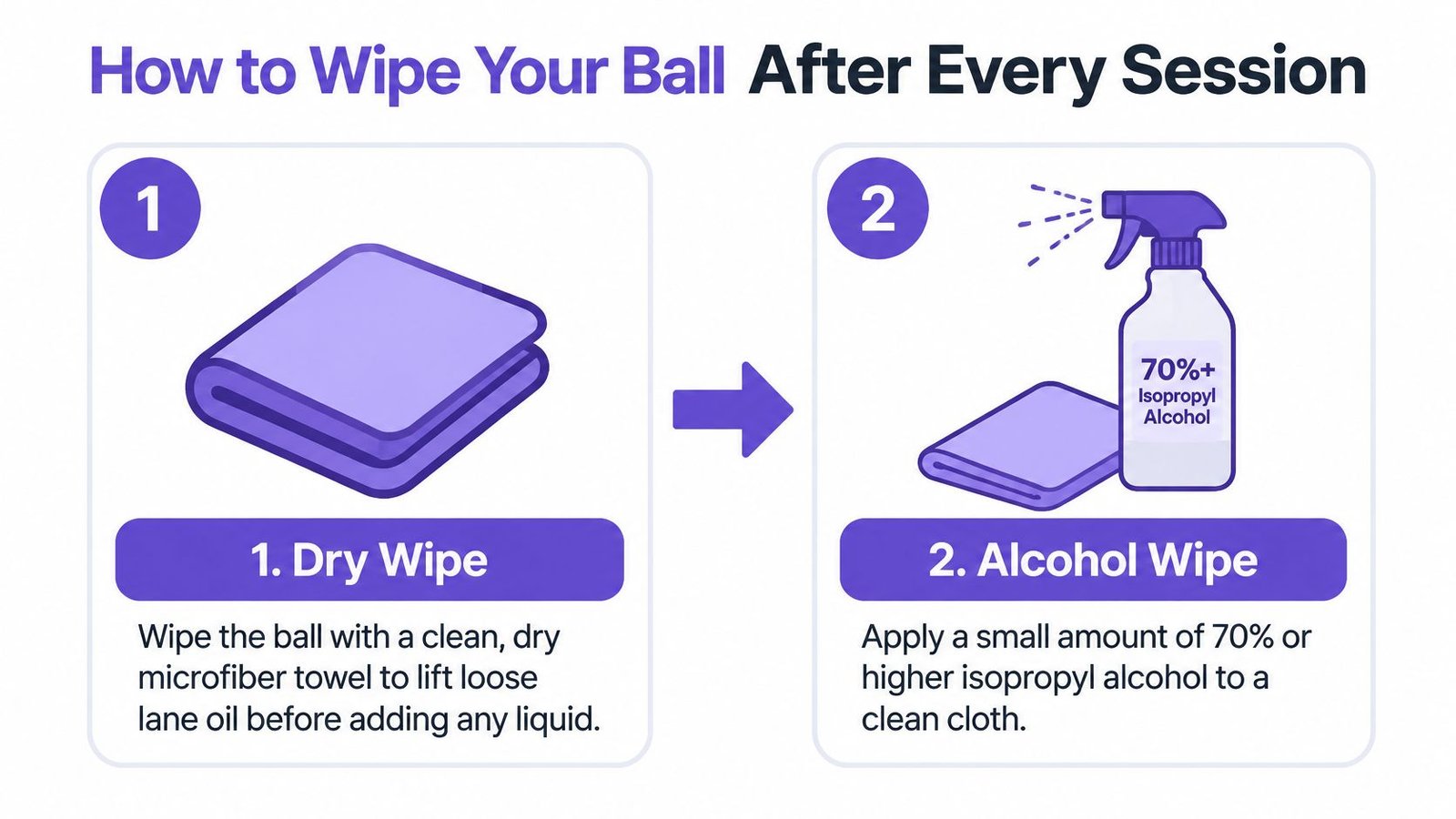
The Five Step Routine
- Dry wipe first: Wipe the ball with a clean, dry microfiber towel to lift loose lane oil before you add any liquid. Skipping this step means your cleaner towel immediately loads up and spreads oil instead of removing it.
- Dampen a separate towel: Apply a small amount of 70% or higher isopropyl alcohol to a second towel, not directly onto the ball. Putting liquid on the towel keeps you from flooding finger holes and gives you control over how wet the surface gets.
- Work the track in overlapping passes: Wipe the entire track area, rotating the ball as you go rather than saturating one section. Rotation keeps coverage even and stops you from polishing one ring while missing oil a few inches away.
- Finish dry: Buff with a dry towel so no residue transfers to your bag, your hand, or the lane next time out. A ball that feels even slightly filmy hasn't finished this step.
- Inspect under bright light: Let the ball dry, then look for glossy track rings or a recurring oil sheen. That pattern points to absorbed contamination, not surface dirt you missed, and it tells you wiping has reached its limit.
Isopropyl alcohol appears on the USBC approved cleaner list for bowling balls, but that listing doesn't mean it extracts oil that has migrated into the coverstock. USBC testing measures weight gain after oil exposure and timed absorption of a metered drop, which is exactly why a surface wipe can't be treated as deep de-oiling. You're maintaining the outside of the shell, and that's a worthwhile job on its own terms.
The demonstration below shows the hand motion and towel handling in practice, which is worth watching before you build the habit on your own equipment.
Towel Habits That Make or Break the Routine
The most common slip isn't the cleaner. It's the towel. A loaded towel redistributes oil across the shell with every pass, so the ball looks wiped while the track stays contaminated. Change or launder your towels frequently, and don't use the same cloth for the dry pass and the alcohol pass in the same session.
- Keep towels separate: Designate one towel for dry wiping and another for alcohol so oil from step one doesn't ride back in during step three.
- Launder after sessions: A towel that smells of lane oil or feels slick is part of the problem, not part of the routine.
- Replace worn microfiber: Flattened, rough towels drag grime instead of lifting it and can leave the finish looking uneven.
A clean towel with plain alcohol beats an expensive mixture on a dirty towel every session.
Finish this bowling ball cleaner homemade routine at home or in the parking lot, not at the scorer's table. Routine cleaning should be complete before competition begins, and the wipe stays in its lane as maintenance. When bright light keeps showing glossy rings after honest wiping, the conversation changes from cleaning to extraction, and stronger kitchen chemistry isn't the bridge between the two.
Competition Rules for Homemade Cleaners
During certified competition, you may not clean your ball with any liquid or cleaning agent. You also may not alter the surface with abrasives or carry foreign material on the ball onto the lane. USBC Rule 18 guidance limits bowlers to a dry towel during competition under the rule effective August 1, 2019. That line applies no matter how gentle your homemade mixture seems.
There's one narrow exception. If foreign residue can't be removed with a dry towel, an approved cleaner may be used only with permission from a league officer or tournament official. Permission is the key word. You don't decide on the spot that your situation qualifies, and a homemade alcohol and water blend doesn't become approved because one ingredient appears on an approved list.
Three Situations Bowlers Confuse
Practice and between squads is the flexible window. Bowlers may generally use an approved cleaner then, subject to league or tournament rules, so confirm those rules before you spray anything. Local events can be stricter than you expect.
Between games after play has started is where bowlers get caught. The set is underway, the ball comes back with belt marks, and reaching for a cleaner feels harmless. It isn't permitted. Use your dry towel and wait until the session ends.
Home maintenance is where bowling ball cleaner homemade mixtures belong. A recipe can be acceptable for upkeep at your kitchen table and still be prohibited at league. Keep homemade bottles out of your game day kit so there's no temptation and no accidental use in front of an official.
The consequences aren't theoretical. Unauthorized cleaning can get the ball removed from competition and may expose games to forfeiture. No wipe is worth that trade. Work from one operational rule, dry towel during play, liquid cleaning only in permitted maintenance windows, and check your local governing body rules before any homemade solution travels to league night. If you're unsure whether a window is permitted, ask an official before the first ball, not after someone protests your third game.
Fixing Residue, Tackiness and Lost Reaction
A stronger homemade cleaner will not restore a ball's reaction when the problem is oil absorbed below the surface. Glossy track rings that reappear after drying are a useful warning: the surface may be clean, but oil remains in the coverstock, beyond the reach of a towel. More scrubbing or a harsher household chemical cannot remove oil from inside the shell and may damage its finish.
That distinction matters for any bowling ball cleaner homemade routine. A wipe can remove surface oil and residue; it cannot reverse oil absorption or bring back lost backend motion. Use the symptoms below to decide whether a fresh towel and careful drying are enough, or whether the ball needs professional attention.
Reading Symptoms Before Reaching for Chemicals
| Symptom | Likely cause | Next step |
|---|---|---|
| Glossy track rings after drying | Oil absorbed into coverstock | Stop using stronger chemicals and consider controlled extraction |
| Tacky surface after wiping | Residue or a loaded towel | Use a clean towel and let the ball dry fully |
| Slick or changed feel after soap | Detergent film | Wipe with alcohol, then use a dry towel |
| Dull or cloudy finish | Abrasive or harsh solvent | Stop experimenting and arrange professional inspection |
| Backend motion keeps declining | Oil has moved below the surface | Ask about professional de-oiling or resurfacing |
Start with the simple fixes. Tackiness often comes from residue or a towel that has picked up too much oil. Change to a clean towel and dry the surface completely before trying another product. A slick feel after soap points to detergent film. An alcohol wipe followed by a dry towel can clear that residue; another soap wash may leave more behind.
Treat a dull or cloudy finish differently. If it appeared after an abrasive or harsh solvent, stop cleaning and have the surface inspected. More experimentation can add damage rather than improve the ball's feel.
Persistent track rings and declining backend motion call for a different solution. A manufacturer-compatible professional or controlled extraction treatment may be appropriate, depending on the ball and its condition. Guidance on bowling ball oil extraction and its limits explains why surface wiping cannot perform that job and why extraction has limits.
Testing Whether Cleaning Is Still Working
Use a repeatable comparison instead of relying on memory. After each session, clean the ball consistently and log the number of games, lane oil condition, cleaner concentration, towel type, and whether the coverstock remains tacky or glossy once dry. Then compare reaction on a fixed drill, keeping ball speed, target line, release, and lane condition as consistent as possible. Appearance alone is not a reliable measure of reaction.
Oil absorption speed varies by coverstock. A logged comparison on the same drill is a more dependable way to spot a change than guessing from how quickly one ball seems to pick up oil. If you compare balls, hold the drill and conditions steady and record the results over time. That separates a genuine change in reaction from a different release or lane condition.
Decision rule: If backend motion keeps declining during a consistent fixed drill, while your wiping routine stays the same, consider extraction or resurfacing instead of another cleaner recipe.
Do not try to force the issue with improvised heat or soaking. Before any treatment involving heat or water, confirm the coverstock, plug integrity, hole sealing, and manufacturer guidance. Incorrect temperature or water exposure can harm inserts, adhesive bonds, or the shell. A pro shop can assess the ball and choose a controlled treatment suited to its materials and condition.
Maintenance Schedule and Setup Checklist
Oil load scales with sessions, so your schedule should too. A casual bowler and a tournament player can share the same bowling ball cleaner homemade wipe, but they shouldn't share the same expectations for reaction checks or professional service. The table below sets routine practice intervals, and these are practical recommendations, not USBC mandated periods.
| Bowling frequency | Wipe routine | Reaction check | Professional service |
|---|---|---|---|
| Casual, 1-2 sessions a month | Alcohol wipe after each session | Every 3 months | When glossy rings persist after wiping |
| League, one session a week | Alcohol wipe after each session, dry towel between games | Monthly, logged | Every 6-12 months or when backend motion declines |
| Tournament or 3+ sessions a week | Wipe after each session, towel changed between games | Every 2-4 weeks, logged | Planned extraction in the off-season or after a long tournament block |
Casual bowlers get by with an alcohol wipe after each outing and a reaction check every few months, since total oil exposure builds slowly. League bowlers add a dry towel between games and a monthly logged check, because weekly play on the same pattern makes gradual decline easy to miss without notes. Tournament and high volume players should change towels between games and plan extraction around their calendar, in the off season or after a long block, instead of waiting for a ball to quit during a big weekend.
If you bowl mostly on heavy oil patterns, move yourself up one row. Volume of oil matters as much as number of sessions, and a reactive ball on heavy patterns loads faster than the schedule assumes. Your log will confirm whether that adjustment fits, and a full bowling ball maintenance routine can help you place cleaning alongside resurfacing and storage habits.
Setting Up Before Your First Session
- Confirm the coverstock: Check the manufacturer listing or get a pro shop to identify the shell so you know what you're cleaning.
- Choose one routine cleaner: Make it the 70% or higher isopropyl alcohol wipe and resist adding ingredients later.
- Patch test mixtures: Test any soap or homemade blend on a hidden spot and check sheen and feel after complete drying.
- Confirm league rules: Learn your league's liquid cleaner rule and note which official can grant the narrow competition exception.
- Start a session log: Record games, lane condition, cleaner, towel, and surface feel so reaction checks use real data.
League bowlers should also keep a separate towel bag for game day cloths. Clean dry towels for competition stay apart from the towels you use with alcohol at home, which prevents both rule problems and oily towel mix ups.
Everything reduces to one rule. Clean with alcohol at home, use a dry towel in play, and let the log, not the recipe, decide when a ball needs professional help. Bowlers who follow that order stop chasing stronger mixtures and start catching real decline early, while extraction and resurfacing can still do their best work.
If your log is telling you a ball needs more than a wipe, or you're comparing coverstocks for your next purchase, Bowling Gear Reviews publishes hands-on ball reviews, maintenance guides, and equipment comparisons built around real lane testing. Visit before your next pro shop trip so you walk in knowing whether you need an extraction, a resurface, or a different ball entirely.
